
SS#181: To a Thousand Generations (with Johann Kurtz!!)
What if your role as a mother is bigger than you’ve imagined—even after your children are grown?
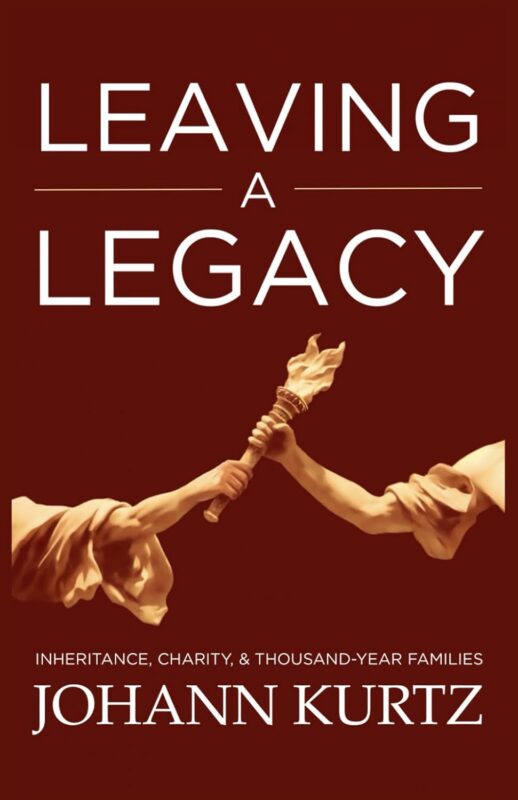
In this episode, Johann Kurtz, author of Leaving a Legacy, joins us to discuss the social fabric mothers can build through hospitality, friendship, and intentional introductions.
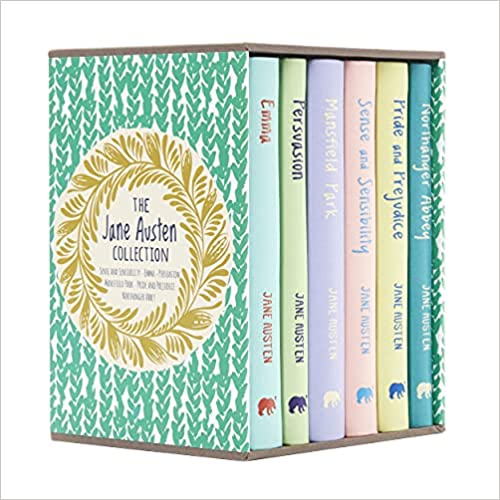
From Jane Austen’s balls to dinner around your own table, we explore how you can help your children form lasting relationships and cultivate a family legacy worth passing on.
Moms As Hostesses & Matchmakers
Today’s Hosts and Source
Brandy Vencel
knows how to throw a party

Mystie Winckler
wants to build a matchmaking network

Featuring Guest: Johann Kurtz
Johann Kurtz is a legacy adviser and succession strategist, helping individuals and families to arrange their affairs towards lasting good. He is a Substack bestseller, and his blog Becoming Noble – on philosophy, theology, and history – is read by tens of thousands each week.
Scholé Every Day: What We’re Reading



Autobiography, Ben Franklin
Mystie read this with her book club and noted a few different things on this read than when she read it in high school.
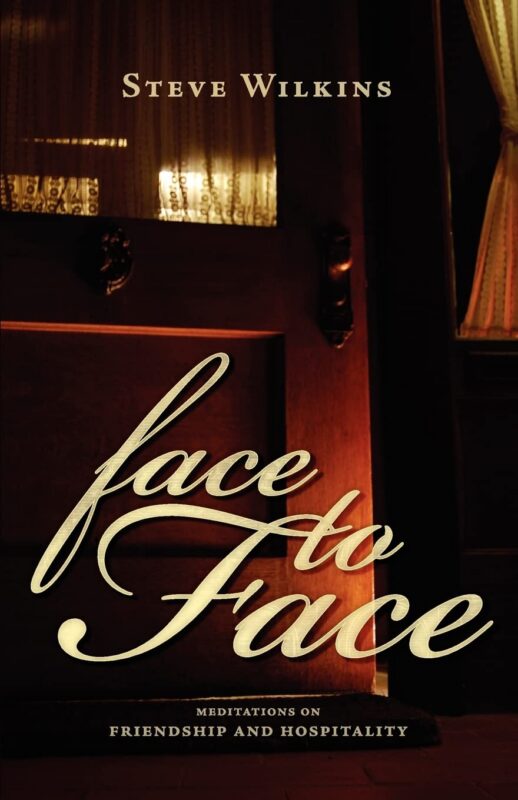
Face to Face, Steve Wilkins
Brandy read this book after Mystie mentioned it earlier this year, because making friends and hosting parties is on her mind lately.
Building intentional communities
Young people have not always been left to figure out relationships for themselves. Earlier generations saw relationship formation as the responsibility of the whole of society.
They built and maintained “social infrastructure”—balls, private engagements, musical performances, and other gatherings where young people could meet in settings with clear expectations. These occasions created permission to approach someone with very low stakes of misunderstanding or humiliation.
It’s not good enough to push people together once. They need to meet in different combinations dozens of times to develop meaningful social trust, familiarity, and comfort.
These are “multiplex relationships”: you see someone at church, then at a party, then at a musical performance. Gradually, that traversing of contexts creates space to recognize what you have in common. The relationship becomes a natural outgrowth of the social life of the group.
That kind of social life takes intentional effort. It looks different in different parts of the country and world, but we need this social infrastructure everywhere, and increasingly people simply don’t have it.
A mother’s role
The skills that allow a mother to nurture her children and participate in their moral formation also allow her to be ambitious in the moral formation of the community. Women can build deep networks of people who collaborate in charity, aesthetics, relationship formation among the young, and institution building.
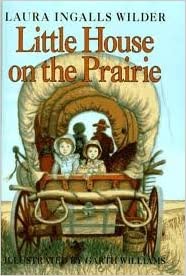
A romanticized vision of homesteading often involves an unproductive degree of isolation. It may suit some families, but it threatens the potential of the family to perpetuate itself into multiple generations.
Children need opportunities to interact with people outside the family, work under another person’s authority, and navigate complex social relationships. Building that social fabric is one of the significant roles women can undertake, and it requires a thick community, not an isolated family.
Parents can also take an active interest in helping their adult children form relationships. That can mean keeping their eyes open in different social circles and making intentional invitations: inviting particular people to dinner, making introductions, or helping their children host friends.
Offer the house, help buy the ingredients, and let the young adults take the lead. There is a natural and comfortable way to say, “Whenever you have an idea for a social event that we can help you carry out in some way, we’d love to support that.”
Building a legacy
A family’s legacy includes a sense of identity, a sense of expectation, and the presence of those who have gone before us and those who will come after us. It includes faith, family rituals, and social networks. It is made visible in tangible things: art, portraits, family trees, a diary, a quilt. Artifacts passed down build a sense that anything we have is ours to steward. People have carefully nurtured it for us, and we have an obligation to carefully nurture it for those who come after.
The household itself can be an heirloom. Raising children in virtue is rich and consequential work. It requires cultivating the traditions, relationships, and sources of belonging that sustain a family.
Start with the resources you have, even if it’s simply the house you live in. Give your children space to host their friends. Help buy the ingredients for a dinner party, support an outing, or plan a joint holiday with another family.
Essential social fabric takes many forms, and so many are neglected that there is plenty of open ground. Get creative and get stuck in—for your children, your community, and the generations who will come after you.
Mentioned in the Episode
Listen to related episodes:
SS#175: Real Human Wisdom in an Age of AI (with Cindy Rollins!!)

SS#174: Machine Culture
SS#161 – Feminism Detox

SS#158 – Postmodernism Wants Your Kids

Be a part of the conversation!
Discuss this podcast with other moms inside Sistership.