

SS#180: Pusillanimity, the unpronounceable vice holding you back
“We’re not a musical family.”
“I could never teach that.”
“Someone else would do a better job.”
We have plenty of reasons for hanging back, and some of them even sound humble. But what if we’re giving cowardice a more respectable name?
Today we’re tackling pusillanimity—a word we can barely pronounce for a vice we recognize all too well. It means smallness of soul, and it shows up when we shrink back from the things God has given us the ability and opportunity to do.
Of course, developing our children’s gifts might mean more driving, more juggling, and more difficulties to work through. Starting that book club might require us to actually read the book. Growth asks something of us. So we’re talking about false humility, the ways our fears can hold our children back, and why God gives us gifts for the common good.
From reading harder books to quietly helping another family, there are opportunities to stretch right where we are. Will we take them?
Courage to learn
Today’s Hosts and Source
Brandy Vencel

Mystie Winckler

Abby Wahl
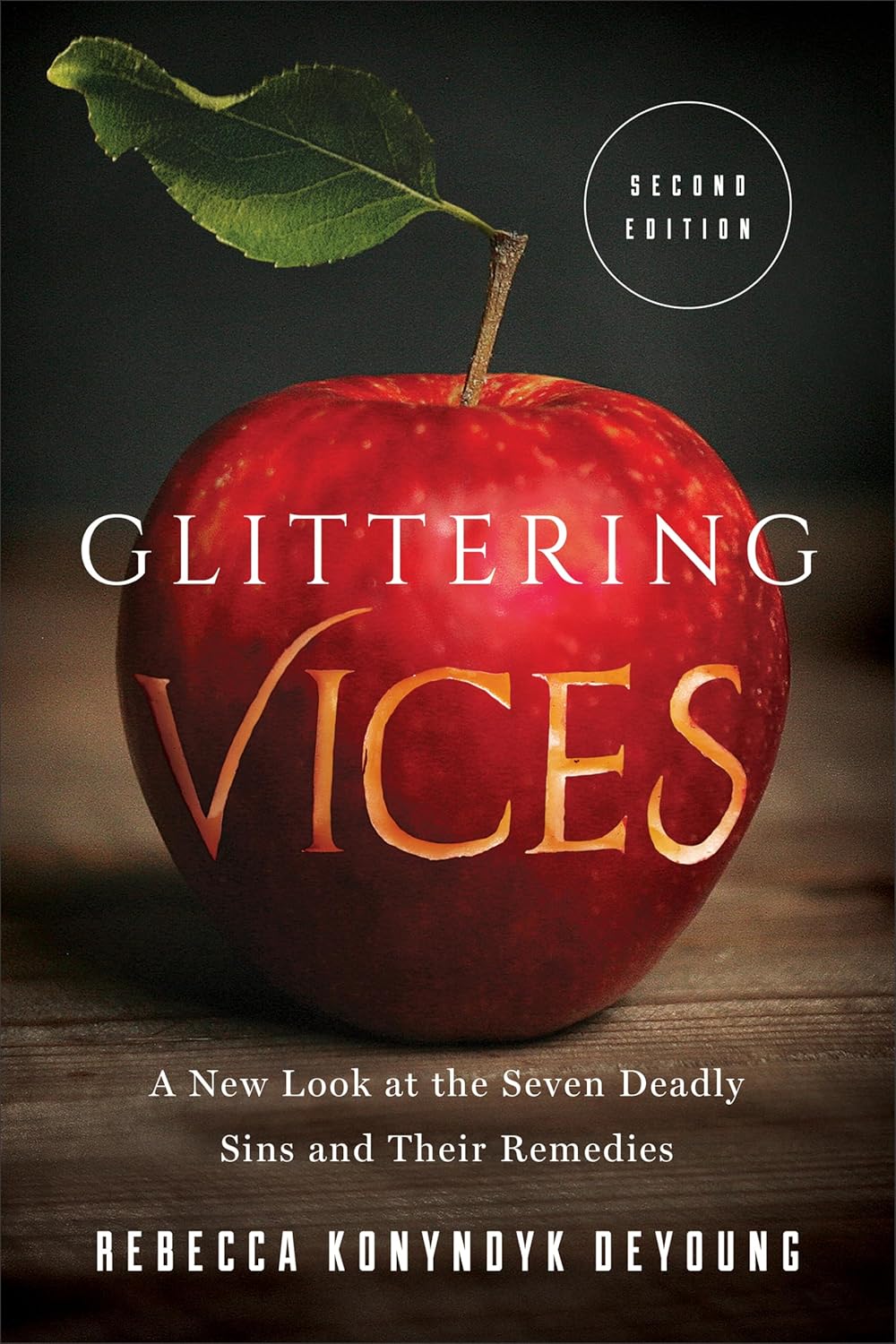
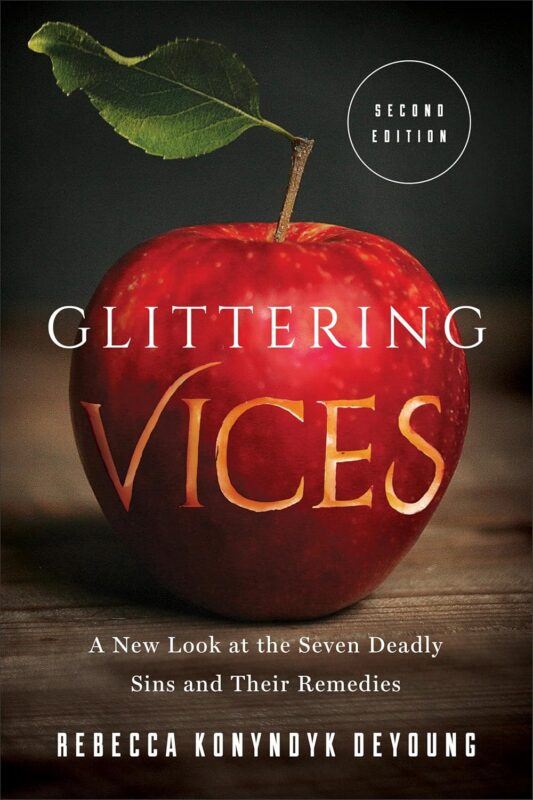
Today’s Source: Glittering Vices by Rebecca DeYoung
Correctly identify and resist the deeply rooted patterns of sin that are at work in your life
Drawing on centuries of wisdom from the Christian ethical tradition, Glittering Vices takes readers on a journey of self-examination, exploring why our hearts are captivated by glittery but false substitutes for true human goodness and happiness.
“Those afflicted by this vice shrink back from all that God has called them to be. When faced with the effort and difficulty of stretching themselves to the great things of which they are capable, they cringe and say, ‘I can’t.’ Their faintheartedness comes from relying on their own puny powers and focusing on their own potential for failure instead of counting on God’s grace to equip them for great kingdom work, work beyond anything they would have dreamed of for themselves.”
Scholé Every Day: What We’re Reading



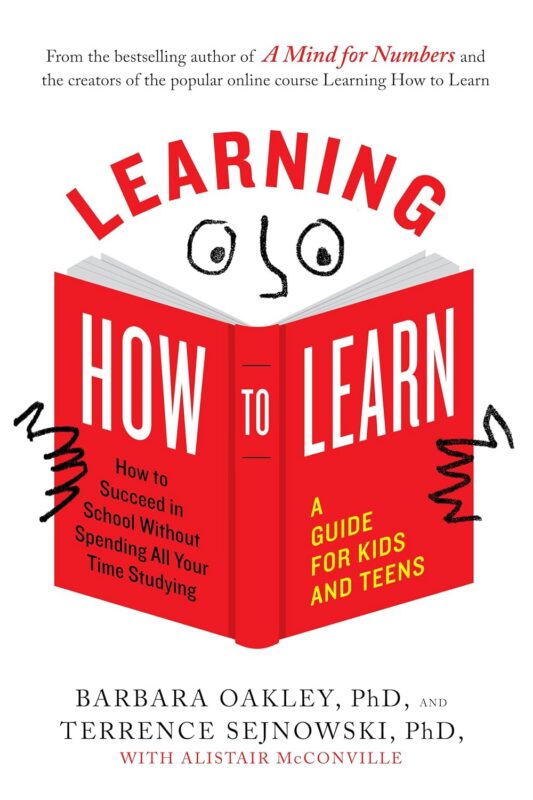
Learning How to Learn, Barbara Oakley
Abby plans to pass this along to her 16-year-old boys because, even though parts feel a little young, it respects children’s minds and offers practical help with procrastination, active recall, and understanding how the brain works, plus examples like Benjamin Franklin teaching himself to write—things they might hear more readily from a book than from Mom.
An Experiment in Criticism, C.S. Lewis
Mystie thinks this is a great book to begin a book club with because Lewis’s claims that good readers reread and good books invite rereading—along with his pithy observations about myth, fantasy, and how differently people experience the same book—give everyone plenty to think about and discuss.
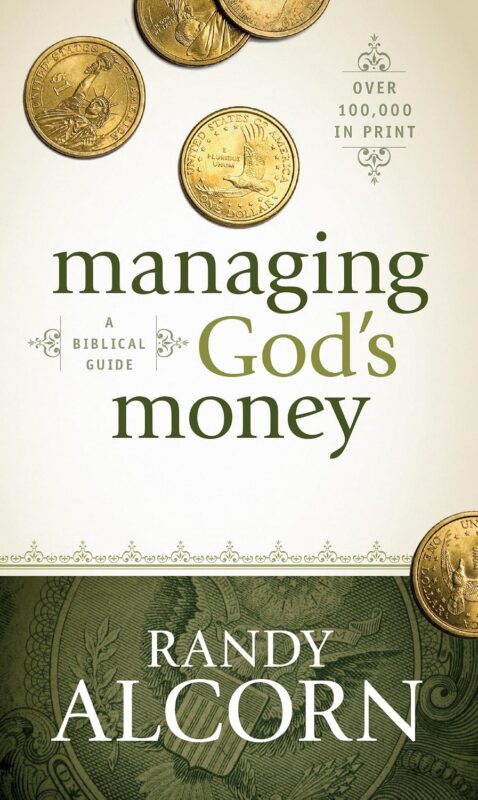
Managing God’s Money, Randy Alcorn
Brandy expected another basic money management book but appreciates Alcorn’s biblical treatment of both materialism and the idea that money is bad, with an emphasis on stewardship and generosity rather than investment strategies, and a chapter on debt that gave her and her teenager Scripture and principles to discuss.

What is pusillanimity?
Pusillanimity is a word we can barely pronounce for a vice we recognize all too well. Literally, it means “smallness of soul.” When faced with the effort and difficulty of doing things we are capable of doing, we cringe and say, “I can’t.”
We focus on our own potential for failure and hold ourselves back. Sometimes we even call it humility. But knowing we could be wrong is different from refusing to have an opinion, and admitting our limitations still leaves us with a responsibility to learn.
“Because it’s not going to be the best, I’m not going to do it at all” reveals pride and vanity underneath that supposed humility. God gives us gifts and callings for the common good. There’s nothing generous about holding ourselves back from using them.
As homeschool moms, we can pass that smallness along to our children: “We’re not an artistic family.” “We’re not a science family.” “We’re not a music family.” With those categories, we cut whole swaths of knowledge out of the curriculum before anyone has had a chance to try.
No one is saying every child will become a virtuoso violinist or do calculus. We’re developing our children to their ability, and that requires giving them work that is hard enough that they might fail. It also requires something of us.
Developing a child’s gifts can mean more driving, more juggling, and more situations to work through. It’s easier to stay home and keep everything where we have guaranteed success. But growth follows difficulty. Our children need opportunities to venture, risk, make mistakes, and learn from them—and we need the courage to help them through.
Magnanimity as a Goal
Charlotte Mason said, “We feel that Milton was right in claiming magnanimity as the proper outcome of education.” Magnanimity means greatness of soul, and she sees it in the largest way: intellectual, yes, but also social.
We become more expansive, more generous toward others. We give them the benefit of the doubt and believe in them. A magnanimous view of our children says, “You could do math, and you could take choir. It’ll be okay if you do these things that are hard for you.”
There is music at some level in every person, art at some level in every person. These are human things. We’re developing our children to their ability, which means everyone does math every year, even though everyone won’t do calculus.
A lot of us did not receive a classical liberal arts education where magnanimity was the desired outcome. We learned categories instead: music is for the talented kids; good books are for the honors students.
People get categorized right out of excellence. Then we’re afraid to try things we’ve never done before, or to ask our children to try something when we don’t know whether they’ll be good at it. We keep it easy and light. But greatness of soul is formed by persevering through challenge and hardship.
As we grow in knowledge and wisdom, there is also an element of spilling it over into other people and lifting everyone up with us. Education should draw us toward something bigger than ourselves and make us more generous with what we’ve been given.
Growing Through Hard Things
We get scared to try things we’re not sure we’ll be good at, so we keep it easy and light. We hold ourselves back from reading something harder, teaching a class, or starting that book club. But sometimes we need to put ourselves in a situation where we’ll have to do the work.
Hayley had never read Shakespeare before she decided to teach it at co-op. She knew it was something she should know, and teaching it would force her to prepare. It took courage to jump in and a willingness to work at it.
Sometimes making the task bigger—and more generous, because we’re helping others—provides the accountability we need to follow through. We do need wisdom to recognize what fits our responsibilities and capacity. But inconvenience alone is an easy reason to discount something good.
Developing our children’s gifts asks something of us, too. There might be more driving, more juggling, more situations to work through. It’s easier to stay home and not do the thing. Yet developing their abilities requires testing them, giving them enough that there is the potential to fail.
If we keep everything where we have guaranteed success, we’re keeping them small. They need opportunities to venture, risk, and be challenged to the point where it’s hard. They might do something dumb, and we have to be ready to help them through it, get to the other side, and learn from it.
As Bob Schultz puts it, “In his design, growth follows difficulty.” That takes some backbone from us: letting the whining and complaining roll off while we still push forward.
Mentioned in the Episode




Listen to related episodes:
SS#176: Prudence, the Queen of the Virtues

SS#171: The Vice of Envy

SS#164: Teaching Courage
SS#161 – Feminism Detox

Be a part of the conversation!
Discuss this podcast with other moms inside Sistership.