SS#174: Machine Culture
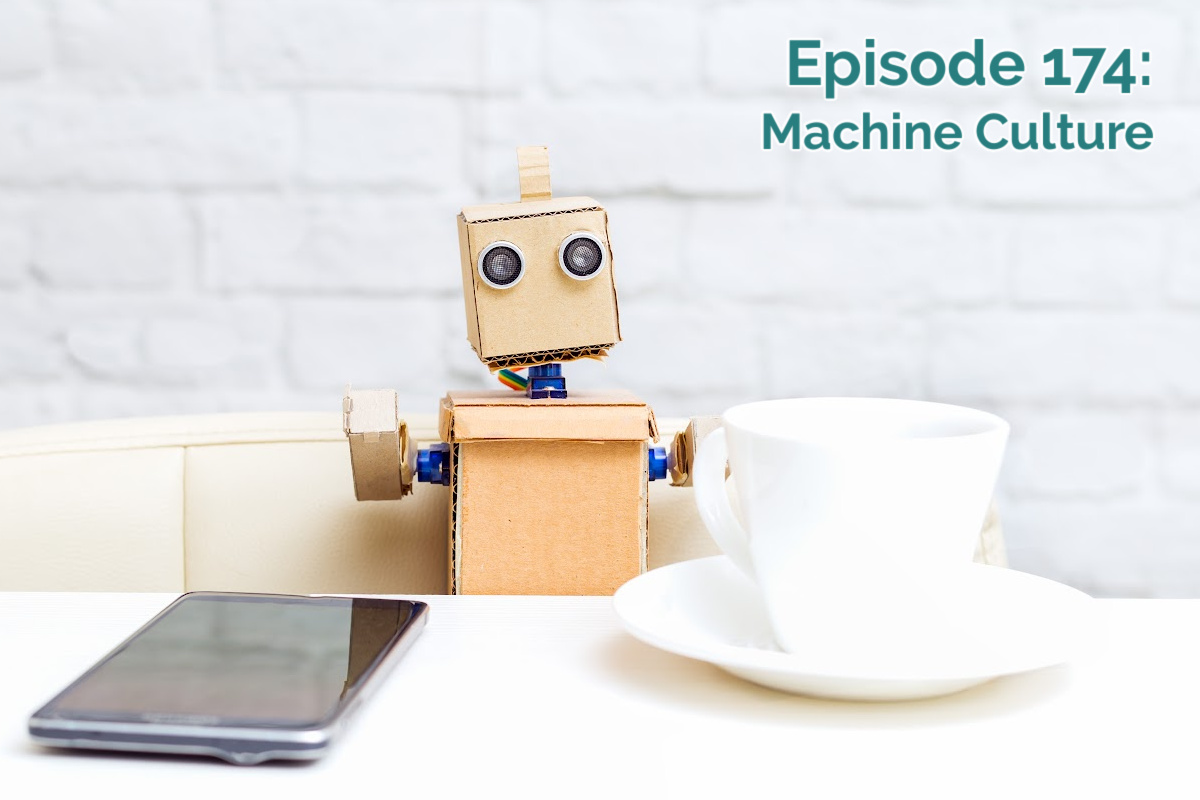
Online learning, government funding, and artificial intelligence are changing the homeschool landscape faster than most families realize. What once looked like a helpful supplement for a hard subject or an outside teacher has increasingly become a system of dependence, convenience, and oversight.
In this episode, we discuss Paul Kingsnorth’s Against the Machine and use his concept of “the machine” as a starting point for thinking about education, technology, agency, and family life. The book raises important questions, even when its answers fall short.
What happens when efficiency replaces learning? What happens when government money reshapes homeschool choices, curriculum providers, private lessons, and even our expectations? What happens when our children learn from screens and systems instead of embodied teachers, parents, books, and communities?
Machine Culture
Today’s Hosts and Source

Brandy Vencel

Mystie Winckler

Abby Wahl
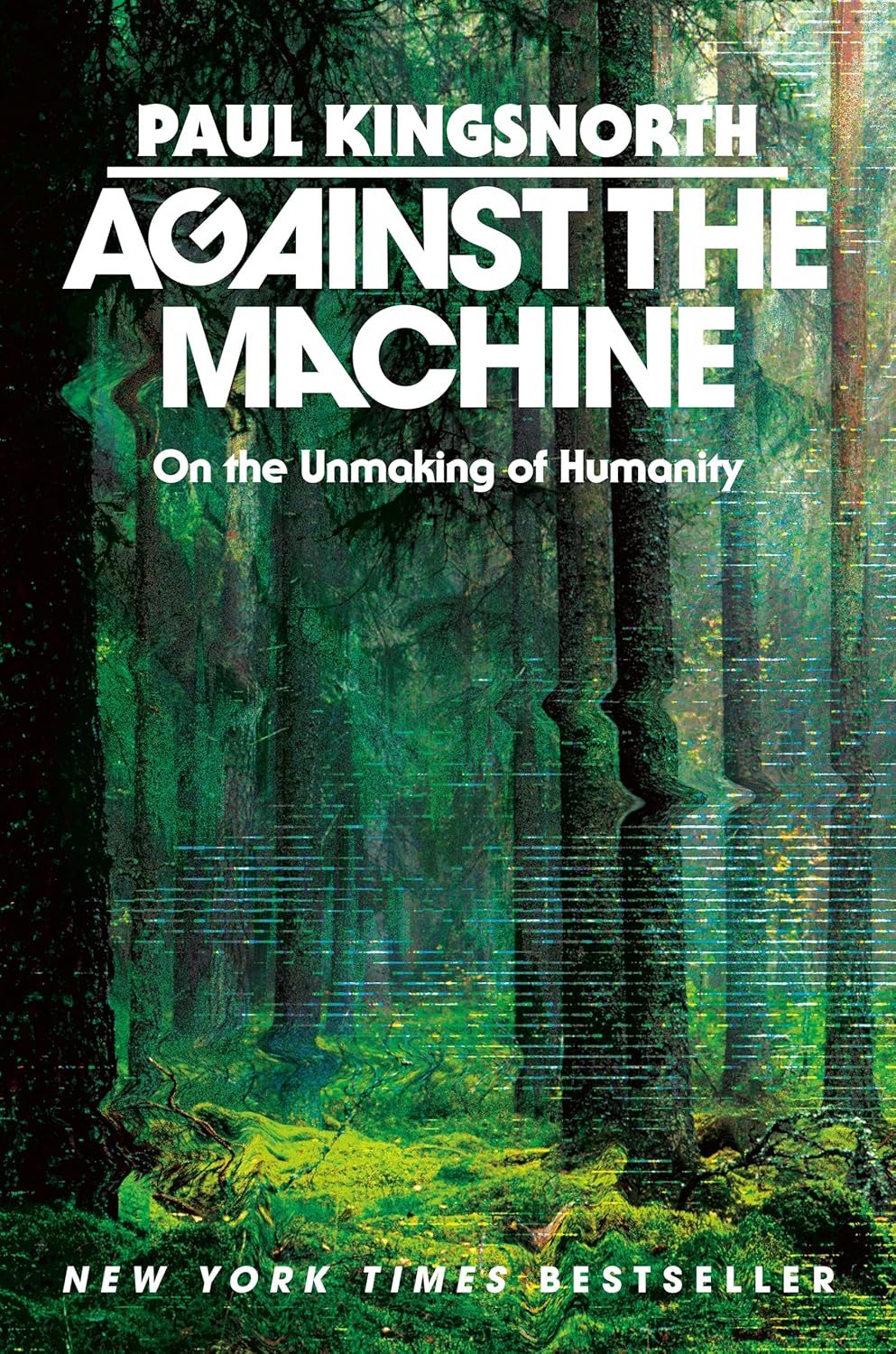
Against the Machine by Paul Kingsnorth is a beautifully written and timely book that names real problems in modern life: dependence, disconnection, technological domination, and the steady loss of human agency.
Kingsnorth sees that machine culture dehumanizes us by weakening homes, communities, skills, embodied relationships, and meaningful work. His critique is sharp and often resonant, especially when applied to online learning, AI-driven education, and government-funded programs that make families dependent on systems they once resisted.
Yet the book lacks a clear, Christian answer. Kingsnorth can see the loss of the garden, but he does not bring us all the way to the gospel. The true solution is not nostalgia, rain dancing, or vague resistance. The answer is Christ, faithful homes, embodied church community, real books, honest work, rightly ordered appetites, and a convivial culture deliberately built.
Scholé Every Day: What We’re Reading

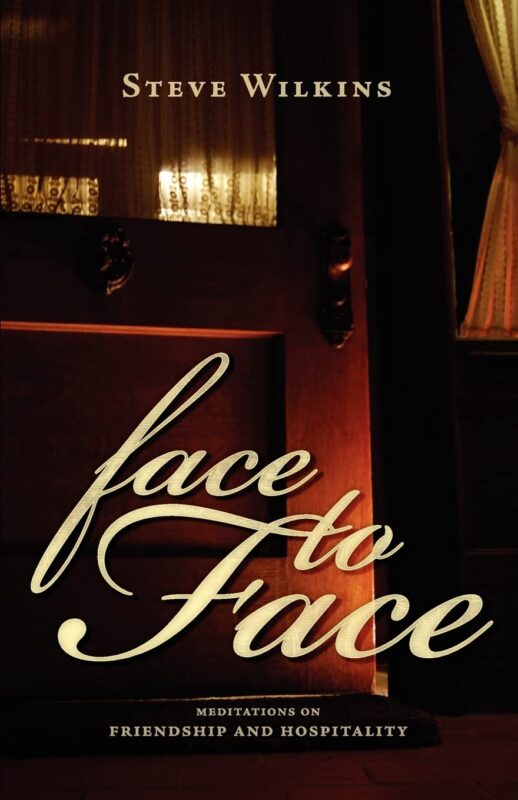

Face to Face, Steve Wilkins
Mystie reread this little book on friendship and hospitality with a church ladies’ group.
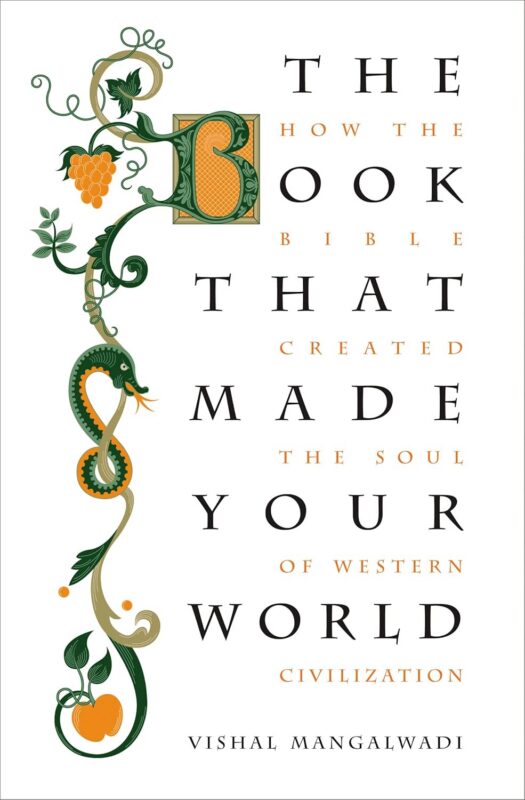
The Book that Made Your World: How the Bible Created the Soul of Western Civilization, Visha Mangalwadi
Abby is enjoying this book with her local book club.
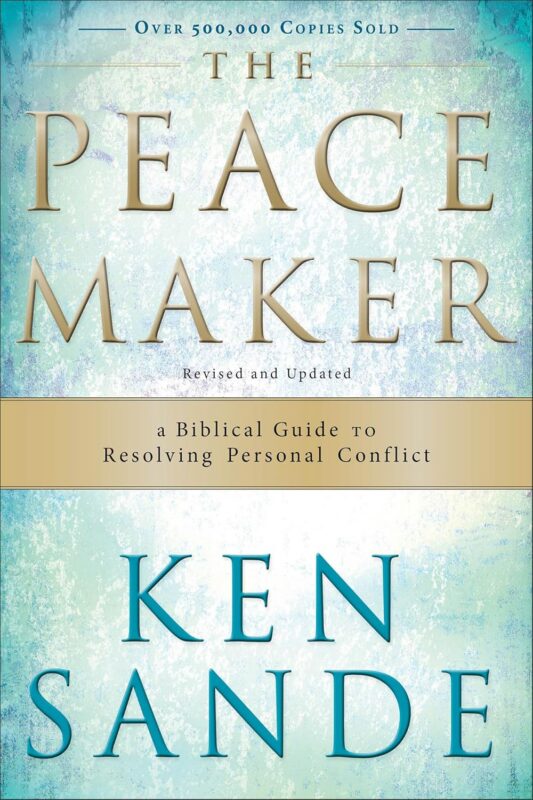
The Peacemaker, Ken Sande
Brandy appreciates the thoughtful, biblical approach of this book.
Machine Culture v. Human Agency
Machine culture dehumanizes us by weakening our agency. Agency means we are acting, choosing, taking counsel with ourselves, and moving according to our own goals and responsibilities rather than living as victims of circumstance or dependents on someone else’s program.
Agency is not autonomy, because with it we remain connected to other people, but it does require reason and will. Machine culture works against our reason and will by creating dependence, isolating people, weakening social ties, removing meaningful work, and making us less willing or able to act for ourselves.
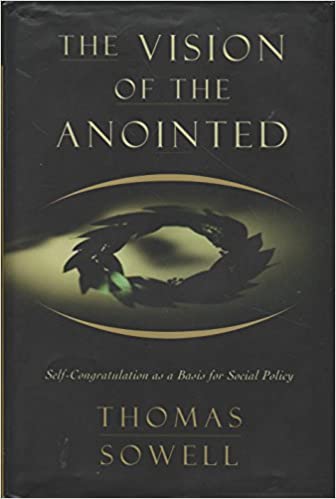
“The Machine” promises efficiency, convenience, productivity, and access, but the price is often our own ability to think, choose, work, and grow. When we offload learning, decision-making, and responsibility to systems, screens, programs, or funding structures, we may still produce the appearance of education or productivity, but without the substance.
A person formed by the machine becomes less human, when education should be making him more capable.
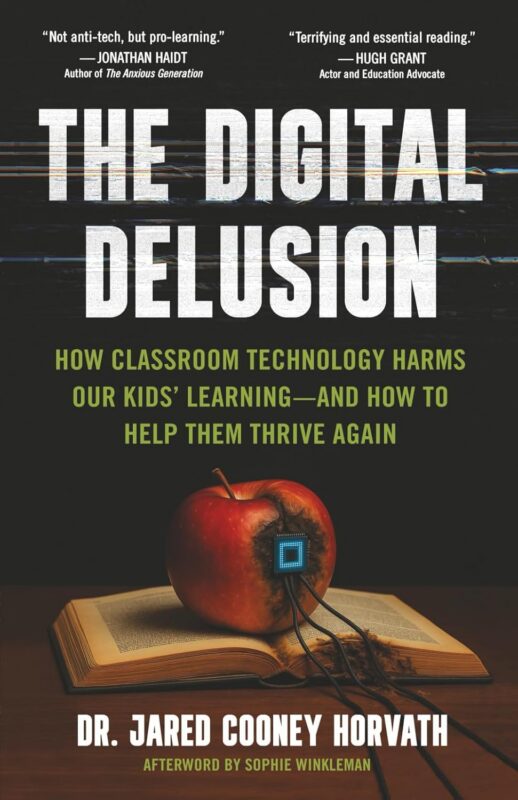
AI in education intensifies the problem because it makes offloading thinking look like learning. A tool can read, write, edit, calculate, and even illustrate with minimal user input, but efficiency and productivity are not the same as education.
If the point is merely producing the essay or the illustration, then AI gives the appearance that education has happened. But if education trains the mind, the will, and the reason, then no education happens when the work gets handed over to the machine.
Children who have not built the intellectual stamina through reading, thinking, writing, and knowing things will not be able to tell when the machine is wrong. They will not know whether an answer sounds right or false because they have not developed the muscles needed to judge it. AI might be a tool for someone who already has those muscles, but it cannot replace the formation of them.
A machine cannot teach a child to be human.
Government Dependency
Government funding intensifies the problem because it makes dependence feel like provision. Families take the money because it appears to give them more options, more classes, more lessons, more curriculum, and more opportunities for their children.
Money always comes with strings attached, and those strings reshape choices, like it or not. Government money can pull families who chose to homeschool back into the machine through online learning, oversight, approved programs, and easy outsourcing.
It raises the family’s standard of living by thousands of dollars in ways they cannot maintain on their own, making it harder to leave the system once they have grown used to it.
It can also weaken philosophical thinking because the question shifts from “What is good, beneficial, and most important?” to “Do we have time for this?” or “Can we spend this money?” Free money does not make families more free when it trains them to depend on someone else’s budget, someone else’s rules, and someone else’s definition of education.
Families retain agency when they refuse to let government programs define their educational choices. The first question ought not be, “What will this pay for?” but “What is education, what is a person, and what are we responsible before God to do?”
Money comes with strings, and even when the strings seem light, the funding still shapes curriculum options, provider pricing, lesson schedules, family habits, and expectations. “Free money” can train both parents and children into dependence, entitlement, and appetite-driven decision-making.
Families need to choose according to what is best, not what is covered. Sacrifice, limits, and budgeting are not obstacles to good education; they force clarity, creativity, and philosophical thinking. Parents also need to resist outsourcing the work that forms them as they teach and guide their children. Education should remain embodied and relational, built on books, conversation, real accountability, and community.
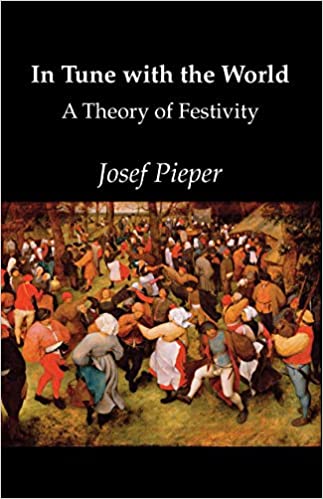
To retain agency, families must strengthen the home, protect their responsibility, and build a life of learning, work, worship, hospitality, and festivity that does not depend on the machine for provision or direction.
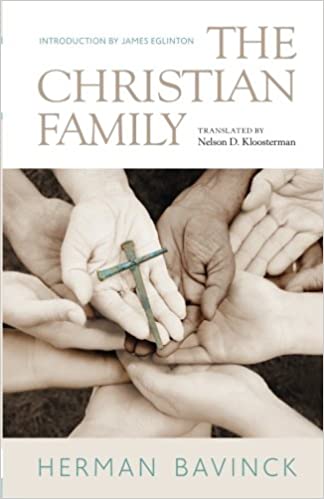
Sphere Sovereignty and the Shrinking Family
When government and machine culture grow larger, the family and the church grow smaller. The family, the church, and the government each have their own proper sphere of agency and authority, but when one sphere fails or shrinks, another sphere expands to fill the space.
When the family abdicates responsibility or the church no longer carries out its work, the government steps in and takes over more and more of life. Sometimes intervention becomes necessary because a sphere has been mismanaged, but the larger pattern remains dangerous: the government absorbs responsibilities once held by families and churches, and people become more dependent, less personally responsible, and less free to act.
Recovering agency means strengthening the family and the church again, not merely complaining about the machine.
The proper family response is not simply to opt out, complain, or blame the system. Families must take responsibility and build the kind of life the machine cannot provide. That means keeping education rooted in books, conversation, meaningful work, and real human connection. It means drawing lines around technology, resisting dependence, guarding appetites, and refusing to let free money or convenience set the family’s direction.
It also means building culture in the home: telling true stories, raising children to become adults, staying connected to nature and embodied skills, and strengthening the church and household instead of handing their responsibilities to the state.
The family response is constructive, not merely reactive: believe the gospel, preach the gospel, practice spiritual disciplines in an embodied church community, and throw parties.
Mentioned in the Episode

Listen to related episodes:

SS#158 – Postmodernism Wants Your Kids
SS#152: School Choice – Freedom Isn’t Free

SS #104 – Political Rehab (with lawyer Brett Stroud)

Be a part of the conversation!
Discuss this podcast with other moms inside Sistership.