

SS#173: Think for Yourself
What does it actually mean to think for yourself—and how do you teach that to your children without cutting them off from wisdom, authority, and tradition?
We live in a moment that prizes independence, but often confuses it with instinct, reaction, or simply doing whatever feels right. At the same time, it’s easier than ever to outsource our thinking—to experts, influencers, systems, and even well-meaning educational philosophies. Somewhere in the tension between those two extremes lies the real work of education.
In this episode, we consider what it means to raise children who are not passive receivers of information, but active thinkers—capable of weighing ideas, recognizing truth, and making sound judgments.
We talk about the role of imitation, the necessity of intellectual nourishment, and why learning to think well cannot be rushed or automated.
If we want our children to grow into adults who can stand firm, discern wisely, and engage meaningfully, we must give them more than answers. We must give them the habits of mind that make thinking possible.
How to be a thinking mom
Today’s Hosts and Source

Brandy Vencel

Mystie Winckler

Abby Wahl

“Late in the last century goody-goody books were written about the beauty of influence, the duty of influence, the study of the means of influence, and children were brought up with the notion that to influence other persons consciously was a moral duty.”
Charlotte Mason, vol 6
Scholé Every Day: What We’re Reading



Evening in the Palace of Reason, James Gaines
Mystie is reading this music and cultural history of the clash of the old world and enlightenment at the recommendation of her son.
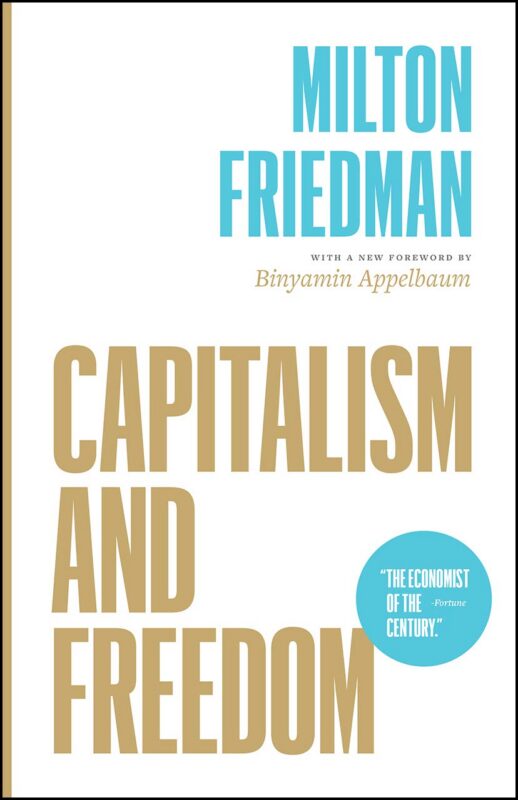
Capitalism and Freedom, Milton Freedman
Abby is reclaiming her own economics understanding.
What does it mean to think for yourself?
To think for yourself is not to reject authority, tradition, or outside influence. It is to refuse to be ruled by any one of them.
Thinking requires activity. It means weighing what you hear, judging between competing claims, and applying truth rather than merely receiving it. A person who thinks is not passive. He does not simply absorb ideas from a trusted voice, even a good one, and repeat them. He engages them. He asks what is true, what follows, and how it should shape his life.
This kind of thinking depends on something objective. If there is no standard beyond the self, then “thinking for yourself” collapses into feeling for yourself. It becomes preference rather than judgment. True thinking assumes that reality can be known, that truth exists outside of us, and that our task is to conform our understanding to it.
At the same time, thinking does not begin in isolation. Children are not born able to evaluate ideas independently. They begin by imitation. They receive language, stories, and patterns of thought from others. This is not a failure of thinking; it is its foundation. Imitation supplies the material that later reflection works upon. Without something given, there is nothing to consider.
Maturity, then, is not abandoning what has been handed down, but learning to digest it. Like the movement from milk to solid food, it involves growing in the ability to handle more complex ideas without relying on others to pre-process them. It requires practice—through reading, discussion, writing, and being asked to articulate and defend a position rather than simply agree.
To think for yourself is to take responsibility for your own judgment. It is to engage widely, listen carefully, and refuse both intellectual laziness and blind dependence. It is not fast, and it is not efficient. But it is the work that forms a mind capable of discernment, conviction, and wisdom.
Obstacles to Thinking for Yourself
We say we want our children to think for themselves, but we live in a world that quietly trains us not to.
One of the biggest obstacles is our dependence on a single voice. It is easy to settle under one steady influence—a teacher, a system, a philosophy—and let it do our thinking for us. Even good influences can become crutches if we stop weighing and judging what we hear. The problem is not that we listen, but that we stop engaging.
Another obstacle is the pursuit of efficiency. We want shortcuts. We want the quick answer, the summarized idea, the system that will save us time. But thinking cannot be outsourced without consequence. When we rely on pre-digested ideas, we may gain speed, but we lose discernment. We have not learned how to arrive at a conclusion—we have only borrowed one.
There is also a deeper confusion at work. Without an objective standard of truth, “thinking for yourself” becomes little more than trusting your own feelings. But feelings are not the same as judgment. If truth is not something outside of us, then thinking collapses into preference, and we are left without any real way to evaluate ideas at all.
We also face the challenge of maturity. Thinking well takes time and growth. Children begin by imitation, and rightly so. They need good words, good books, and strong patterns of thought. But if we never move beyond that stage—if we continue to rely on others to interpret everything for us—we remain dependent. The transition from receiving ideas to digesting them is slow, and it cannot be skipped.
Finally, there is the simple reality that thinking is work. It requires attention, effort, and practice. It means reading carefully, asking questions, making connections, and sometimes holding competing ideas in tension. It is far easier to accept what we are told than to test it.
These obstacles are not new, but they are intensified by the world we live in. If we want to cultivate real thinking—in ourselves and in our children—we must recognize these pressures and resist them. Thinking for yourself is not automatic. It is a habit, and like all habits, it must be formed on purpose.
How to think for yourself
If thinking for yourself is a habit, then it must be practiced on purpose. It will not happen accidentally, and it cannot be handed over ready-made. We have to train it—both in ourselves and in our children.
The first step is to refuse to give easy answers. When a child asks a question, the goal is not simply to supply the conclusion, but to help him learn how to arrive at one. This means asking questions in return, inviting him to explain, and requiring him to put his thoughts into words. Thinking grows when it is exercised.
We also need to give them real material to think about. Books, ideas, and conversations provide the substance. Without something to consider, there is nothing to weigh or judge. This is why imitation has a proper place. Children begin by receiving language and ideas from others, and those become the raw materials for later thought.
Discussion is essential. Talking through ideas—whether in a book club, around the table, or in ordinary conversation—forces us to clarify what we believe. It reveals gaps in our understanding and sharpens our judgment. Writing does the same work in a different way, requiring us to organize and articulate our thoughts with precision.
We must also read beyond a single perspective. If we only ever encounter one stream of thought, we never learn to discern. Exposure to a range of authors and ideas gives us the opportunity to compare, evaluate, and recognize what is true. This does not mean abandoning standards, but exercising them.
Finally, we have to accept that this process is slow. Thinking well takes time. It is the movement from being fed to learning how to feed yourself—from relying on pre-digested ideas to handling more substantial ones. We cannot rush it, but we can practice it.
The goal is not independence for its own sake, but maturity. A person who has learned to think is not easily swayed, not because he has cut himself off from others, but because he knows how to engage what he hears. That kind of thinking is formed through steady, deliberate practice.
Mentioned in the Episode





Listen to related episodes:
SS#178: Against Diversity in the Homeschool Co-op
SS#176: Prudence, the Queen of the Virtues

SS#175: Real Human Wisdom in an Age of AI (with Cindy Rollins!!)
SS#174: Machine Culture

Be a part of the conversation!
Discuss this podcast with other moms inside Sistership.