SS#175: Real Human Wisdom in an Age of AI (with Cindy Rollins!!)
When a machine answers a question meant for a person, something has gone wrong.
This conversation began in a Facebook group meant for the exchange of human judgment: mothers, practitioners, readers, and learners offering the fruit of experience. Then came the unmistakable AI reply: polished, flattened, over-helpful, and not at all what had been asked for.
The problem was not merely that the answer came from a bot. The problem was that the question had been asked of people.
In this episode, we consider what happens when efficient answers begin to replace human conversation. We talk about why messy speech, disagreement, narration, poetry, reading, handicrafts, music, and embodied life matter in an age of synthetic words. We ask whether AI is training us to prefer affirmation over correction, convenience over wisdom, and output over thought.
Our children do not need a machine-shaped education in order to face the future. They need the real things: books, poetry, nature, conversation, skill, beauty, and people who will not merely mirror them back to themselves.
AI v. human conversation
Today’s Hosts and Source

Brandy Vencel

Mystie Winckler

Abby Wahl
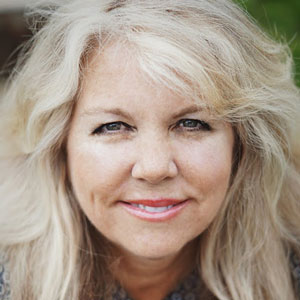
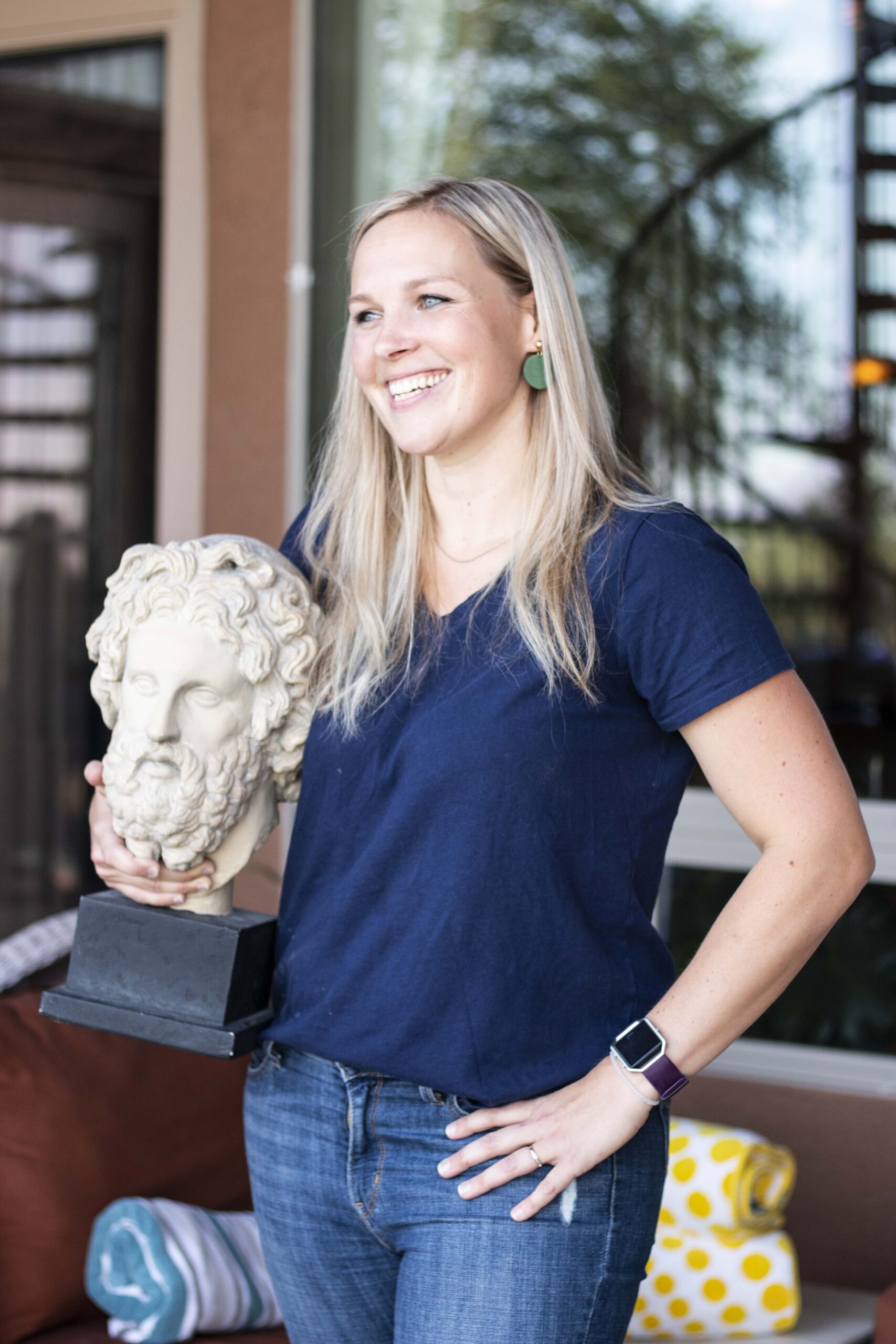
Featured Guest: Cindy Rollins
Cindy Rollins homeschooled her nine children for over 30 years using Charlotte Mason’s timeless ideas. She is the author of Mere Motherhood: Morning Time, Nursery Rhymes, and My Journey Toward Sanctification, The Mere Motherhood Newsletters, Hallelujah: Cultivating Advent Traditions with Handel’s Messiah and Morning Time: A Liturgy of Love. Cindy co-hosts The New Mason Jar and is also the owner of the Mere Motherhood Facebook group and runs an active moms’ discipleship group on patreon.com/cindyrollins. Her heart’s desire is to encourage moms and go to baseball games. She lives in her sometimes empty nest in Chattanooga, Tennessee with her husband Tim and dog Max.
Scholé Every Day: What We’re Reading


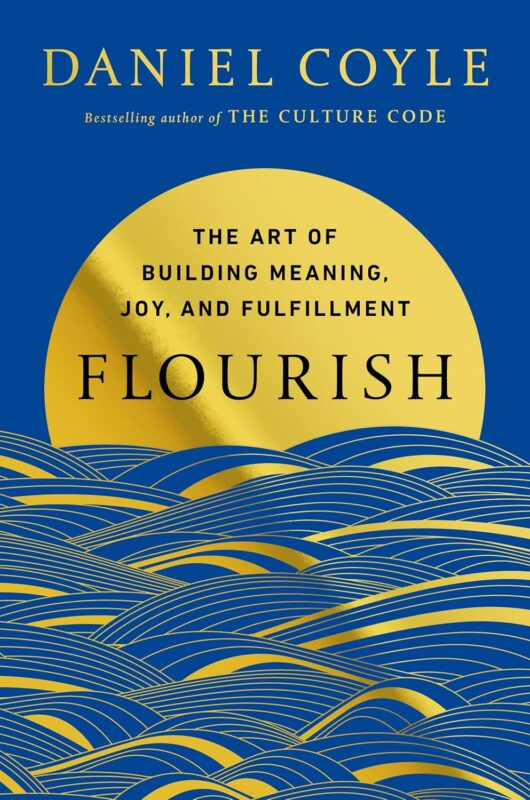
Flourish, Daniel Coyle
Abby described Flourish as a quick, encouraging book about how people build meaning, joy, fulfillment, and strong community through attention, relationships, and shared action.
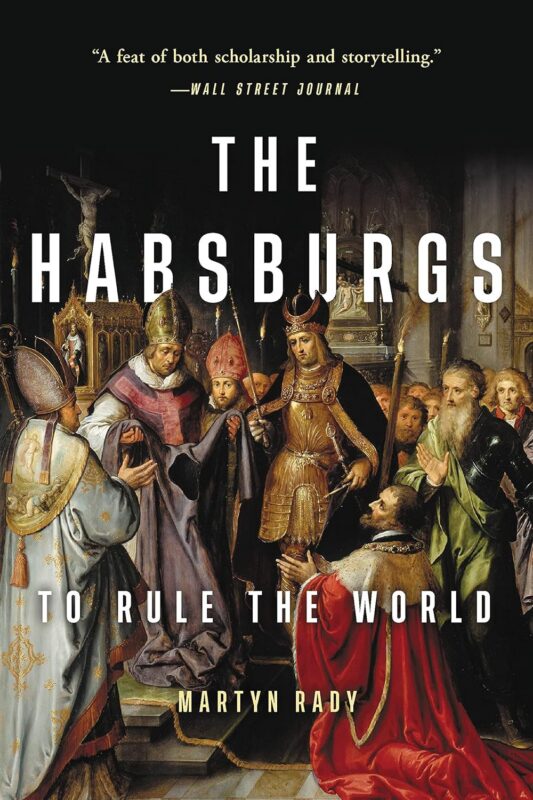
The Habsburgs: To Rule the World, Martin Rady
Mystie said The Habsburgs gave her a broad historical overview of the Habsburg family, especially their long sense of ruling mandate, their view of kingship and law, their patronage of the arts, and their role after the Reformation.
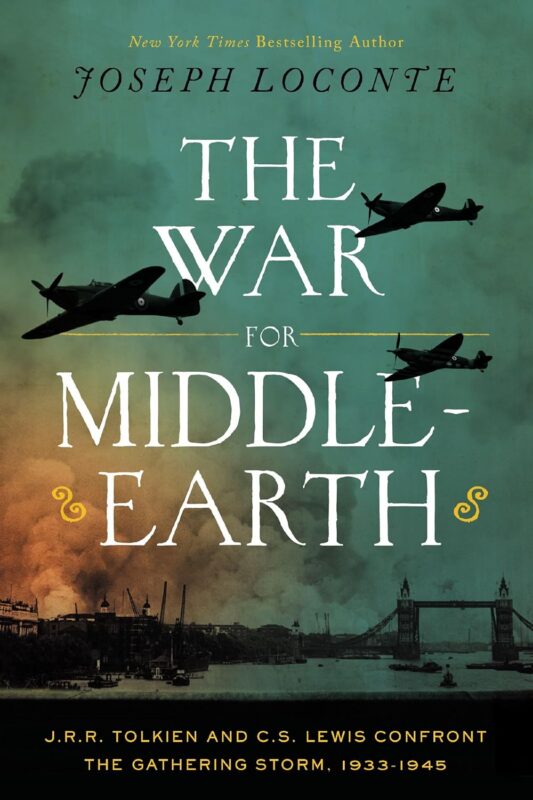
The War for Middle Earth, Joseph Loconte
Cindy found this book encouraging because Loconte connects Lewis and Tolkien’s thought and writing to the ideas they were resisting, in a way that felt relevant to current concerns about AI and “the machine.”
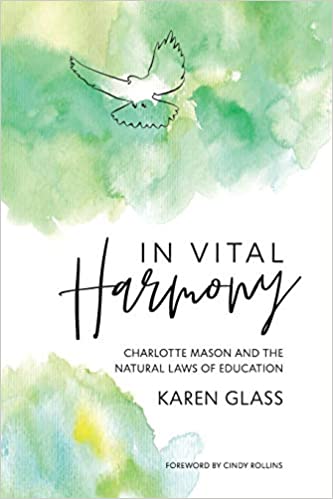
In Vital Harmony, Karen Glass
Brandy described Karen’s book as an excellent entryway into Charlotte Mason’s educational philosophy because it helps mothers grasp principles rather than mere how-tos.
AI gives answers, but conversation teaches thought
A machine can give an answer quickly. That is part of its appeal. We ask, it replies. We receive the summary, the list, the polished paragraph, the likely next step.
But speed is not the same thing as wisdom.
When we ask another person a question, especially a person with experience, we are not merely asking for output. We are asking to borrow judgment. We are asking to hear how another mind approaches the problem. We are asking for the story behind the answer, the qualifications, the warnings, the “it depends,” and even the imprecision that forces us to pay attention.
Human conversation requires work. We have to listen, sift, compare, and discern. We have to notice when someone is answering a slightly different question than the one we asked. We have to ask a follow-up. We have to consider whether the person’s experience applies to our own circumstance. In that process, we are not only collecting information. We are learning how to think.
This is why an AI answer in a human conversation feels so intrusive. The problem is not merely that the answer might be wrong. The problem is that the machine bypasses the very thing we came for: human judgment formed through life, reading, practice, failure, and attention. We asked people because we wanted more than the kernel. We wanted the living thing.
Efficient information can make us impatient with conversation. It can train us to prefer the answer stripped of context, personality, and particularity. But the messiness of human speech is not always a defect. Sometimes the extra words, the story, the disagreement, or the awkward attempt to explain are the means by which an idea begins to unfold.
Conversation also gives us what a flattering machine will not: resistance. Another person can misunderstand us, correct us, refuse to affirm us, or force us to clarify. This is not a failure of dialogue. This is part of its purpose. Iron sharpens iron because contact includes friction. Thought sharpens in much the same way.
If we want our children to think clearly, we cannot be content with giving them fast access to answers. They need narration. They need books. They need poetry. They need to hear and respond to another person’s words. They need practice receiving an idea, turning it over, and speaking it back truthfully.
A human education cannot be reduced to information transfer. The goal is not merely that our children know things, but that they become the kind of people who can attend, judge, communicate, and love what is true and good.
Messy thinking belongs in human community
A bot can affirm us. It can smooth our words, mirror our assumptions, and give us the kind of answer we hoped to receive. What it cannot do is love us as a person.
A mother can.
This is why “your mom is not a bot” is more than a clever line. It names one of the central confusions of our age. We have grown used to answers that adjust themselves to our preferences, words that come without obligation, and interactions that require no humility from us.
A bot does not have a history with us. It does not remember our childhood, our weaknesses, our habits, or our gifts. It does not have an independent soul, conscience, or judgment. It can reflect us back to ourselves, but it cannot stand before us as a dinstinct person.
A mother can love us and still disagree with us. She can refuse to affirm us and still remain faithful. Her difference from us is not a defect in the relationship. It is part of the gift.
Human community requires us to receive other people as they are, not as we wish they would be. This means real conversation will often feel inefficient. It includes awkward wording, unfinished thoughts, misunderstandings, corrections, qualifications, and sometimes disagreement. But these are not merely obstacles to communication. They are often the means by which we learn to think more clearly.
We need places where messy thinking is allowed because none of us learns to think well by producing polished conclusions on demand. We begin with half-formed perceptions. We try to say what we mean. Someone else hears us, responds, questions, resists, or clarifies. Then we try again. This process is not a waste of time. It is the work of thought becoming articulate.
When every answer must be tidy, immediate, and affirming, we lose patience for the very conditions that form wisdom. We begin to treat correction as hostility and disagreement as failure. We become less able to live with other people because other people do not function like machines trained to please us.
A healthy community does not require every thought to arrive fully finished. It requires charity, courage, and the willingness to speak and listen while the thought is still taking shape.
We need women who can say, “I am not sure yet, but here is what I am seeing.” We need friends who can answer, “I think I see what you mean, but have you considered this?” We need mothers, sisters, teachers, and companions who sharpen us rather than merely soothe us.
Iron sharpens iron because there is contact. There is friction. There is another person.
The real things prepare children for the future
We cannot prepare our children for the future by trying to predict it.
Every age tempts parents to believe the newest tool must become the center of education. Children must learn the device, the platform, the program, the machine. Otherwise, we fear, they will be left behind.
But the future does not belong to those who merely know how to operate tools. It belongs to those who know how to think, attend, judge, speak, and love what is real.
This is why the old paths remain so strangely practical. Literature, poetry, narration, handicrafts, nature, music, and real conversation are not quaint extras. They are the foundation.
They train the child to receive the world as given, not merely as generated. They cultivate attention, memory, comparison, patience, and taste. They give children contact with things that do not flatter them, rush them, or mirror them back to themselves.
Reading especially gives us fresh air. When we read old books, we step outside the assumptions of our own moment. We breathe air from another time and place. We discover that our age is not the measure of all things. We meet minds that do not share our defaults, our slogans, our anxieties, or our technological habits. That encounter clears the cobwebs.
In an age of synthetic words, reading becomes resistance. Not resistance in the noisy, fashionable sense, but resistance as faithfulness: turning again to what forms judgment rather than merely supplying output.
Poetry teaches metaphor. It trains the mind to see likeness in unlikeness and to find a common thread between things that first appear separate. Narration teaches the child to receive another person’s words, hold them attentively, and speak them back truthfully.
Handicrafts teach the body what a machine cannot know: the feel of leather, wood, thread, soil, tension, weight, and resistance. Nature study gives the child the real thing itself, not a mediated copy.
These practices prepare children for an AI age precisely because they are not machine-shaped. They give children range. They give them contact with reality. They form people who can use tools without being used by them.
We are not building the whole tower for our children. We do not know what they will need to build. We are laying the foundation. The stronger that foundation is in books, poetry, nature, skill, beauty, and conversation, the better prepared they will be for whatever future comes.
Mentioned in the Episode

Listen to related episodes:
SS#174: Machine Culture
SS#173: Think for Yourself
SS #132 – Intellectual Habit Training
SS #115 – Indoctrinate Me
Be a part of the conversation!
Discuss this podcast with other moms inside Sistership.