

SS#183: What Is Scholé?
You finally sit down with a good book, and three pages in, you’re planning next week’s lessons in your head. Maybe you’re already wondering how you could use what you’re reading with your kids.
When was the last time you sat with an idea long enough to see where it might take you?
We’ve been calling ourselves the Scholé Sisters for over a decade, and somehow we’ve never done an episode called “What is scholé?” Better late than never.
We revisit our own definition, talk about why you might turn off a perfectly good podcast halfway through a walk, and consider what happens when you read a book without deciding ahead of time what you need to get out of it.
If even your reading feels like one more thing to get done, join us for a conversation about making room to think and paying attention to the truth, goodness, and beauty God has already put in front of you.
What Is Scholé?
Today’s Hosts and Source

Brandy Vencel

Mystie Winckler

Abby Wahl
Scholé Every Day: What We’re Reading

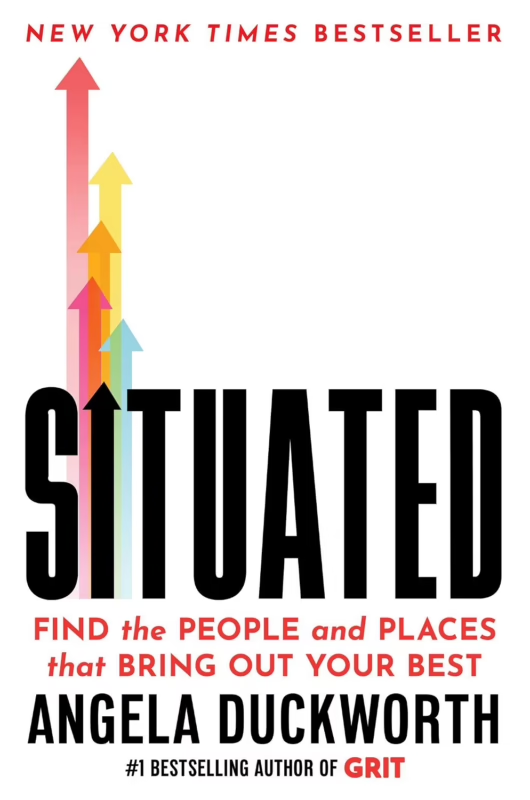



Situated: Find the People and Places That Bring Out Your Best by Angela Duckworth
Abby explains how Angela Duckworth’s Situated breaks an experience into the situation, your thoughts, and your response, showing how people and places shape what you do.
Triumphing Over Sinful Fear by John Flavel
Mystie found the updated edition of John Flavel’s Triumphing Over Sinful Fear a quick, meaty read that distinguishes natural, sinful, and godly fear and gives practical remedies for sinful fear so we can keep doing the work God has given us.
Dracula by Bram Stoker
Brandy picked up Bram Stoker’s Dracula after hearing it called a great Christian novel, found it an unexpectedly fitting October read-aloud with her daughters, and is enjoying the epistolary form.
Define “scholé” for me
Scholé is the Greek word for leisure, and it’s where we get the English word school. The Scholé Sisters put their definition on a bookmark: “time spent pursuing truth, goodness, and beauty through reading, thinking, discussing, and reflecting.”
Rereading Josef Pieper gave the sisters another word to consider: receiving. They chose pursuing because it shows intention. Receiving describes the posture. Contemplation takes effort.
Scholé requires enough attention to open your eyes and receive things as they are. That’s a hard idea to get hold of in a culture of “total work,” where even thinking about truth can seem like a job for specialists.
What scholé isn’t
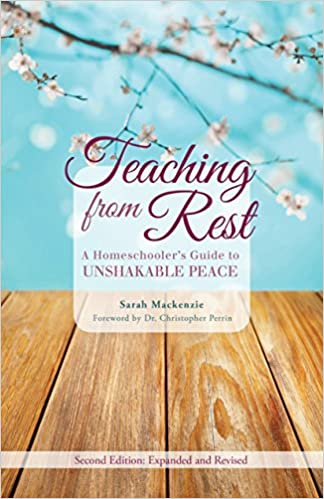
Sarah Mackenzie’s Teaching from Rest introduced many homeschool moms to the word scholé. A mother’s scholé can shape the way she teaches, and she can make room for scholé for her children. When she sits down to pre-read a book for a Plutarch lesson, though, she has a job to do. She may have a moment of contemplation along the way. However, preparing the lesson is still work.
Working with her hands can give a mother room to think about something she read earlier or thoughtfully listen to an audiobook, especially when the work itself takes little thought. The scholé is in the contemplation that happens while her hands are busy, but the crafting itself is not scholé.
An agenda can so easily follow a mother to her chair. She may need wise counsel from a parenting book, or she may have a to-do list running in the back of her mind while she tries to read something excellent. Scholé calls for enough attention to receive whatever ideas she encounters, not go into a book with a personal agenda. Sometimes that means sitting down with a good book and seeing what happens.
How to get more scholé
Sometimes the best way for a mom to make room for scholé is to take a walk outside, alone and without AirPods. It might take a while for her thoughts to settle. Getting out of the place where she does most of her work, moving her body, and getting some fresh air can give her room to think. If she’s listening to something and catches herself thinking, “Oh, that’s a great idea. I wonder…” she can turn off the audio and see where the thought goes.
She can do the same thing with a book. Charlotte Mason scheduled ten minutes at midday to read a classic. Ten minutes sounds doable, and over the years it adds up. A mom can sit down with a good book, pay attention to what it has to teach her, and see what connections she makes. Later, when her hands are busy with something that takes little thought, she may find herself thinking about what she read.
Scholé can happen with other people, too. One of the sisters pictured sitting in a rocking chair on the front porch with her husband or one of her kids, talking through a question together while the sun sets and the fireflies come out. They’ve read their Bibles and other books, so everyone has something to draw on. As they talk, they can hold on to an idea a little longer, see it from another angle, and enjoy the moment of exploring it together.
Why you need scholé
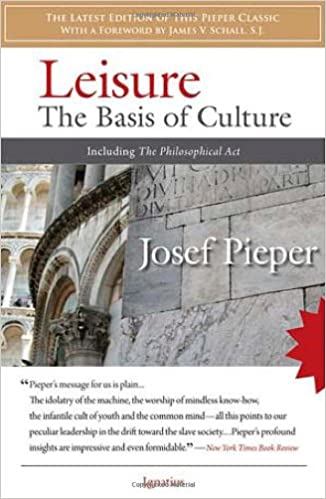
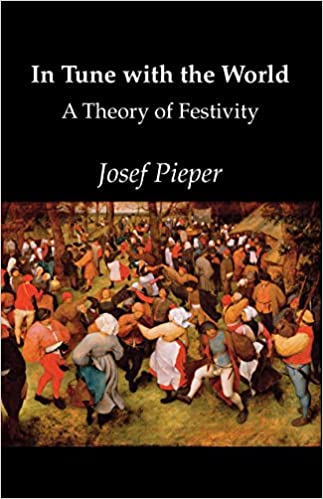
When a mother sits down with a good book, her to-do list can keep running in the back of her mind. All that work can crowd out contemplation. Josef Pieper calls it a state of “total work.” If a culture makes everything into work, when will anyone have time for truth?
Pieper calls leisure “the center point about which everything revolves.” We should value distinctly human activities like coming to know goodness, beauty, and truth. Such activities are worth the time they take.
Mentioned in the Episode





Listen to related episodes:

SS#182: A Philosophy of Busyness

SS#175: Real Human Wisdom in an Age of AI (with Cindy Rollins!!)

SS#160 – We wrote a book!
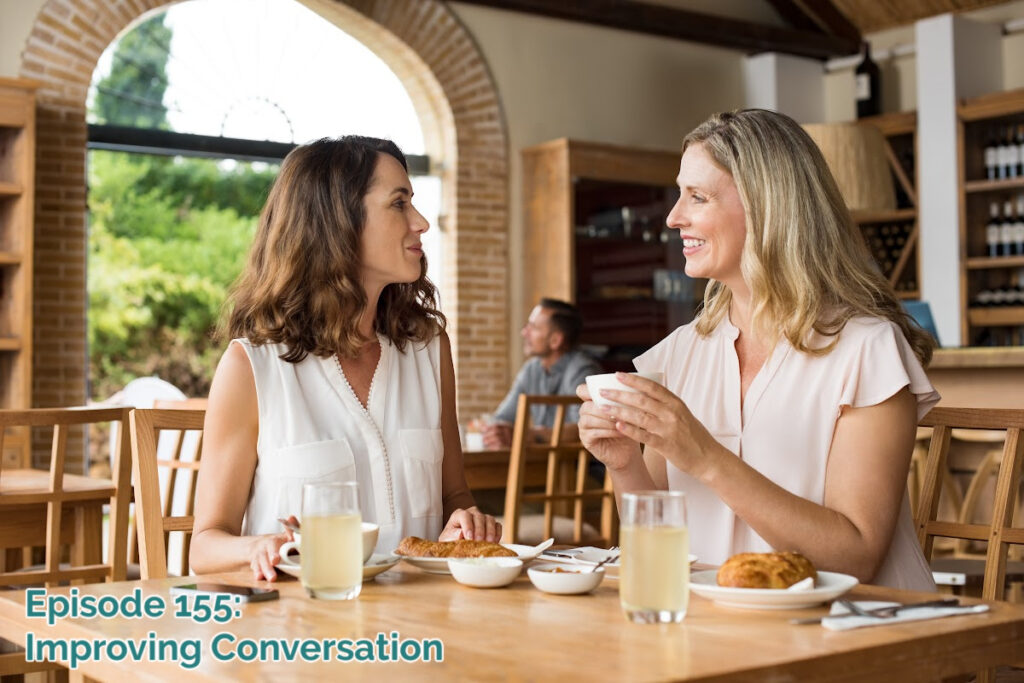
SS#155 – Improving Conversation
Be a part of the conversation!
Discuss this podcast with other moms inside Sistership.