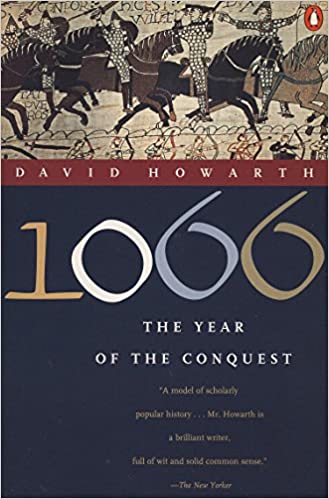
1066: The Year of the Conquest
The year 1066 is one of the most important dates in the history of the Western world: the year William the Conqueror defeated the English at the Battle of Hastings and changed England and the English forever.
The events leading to-and following-this turning point in history are shrouded in mystery. Distorted by the biased accounts written by a subjugated people, many believe it was the English who ultimately won the battle, since the Normans became assimilated into the English way of life.
Drawing on a wealth of contemporary sources, David Howarth gives us memorable portraits of the kings: Edward the Confessor, Harold of England, William of Normandy, as well as the leading political figures of the time. Howarth describes the English commoners: how they worked, fought, died, and how they perceived the overthrow of their world from their isolated shires.
More info →Bleak House
Bleak House is one of Dickens' finest achievements, establishing his reputation as a serious and mature novelist, as well as a brilliant comic writer. It is at once a complex mystery story that fully engages the reader in the work of detection, and an unforgettable indictment of an indifferent society. Its representations of a great city's underworld, and of the law's corruption and delay, draw upon the author's personal knowledge and experience. But it is his symbolic art that projects these things in a vision that embraces black comedy, cosmic farce, and tragic ruin. In a unique creative experiment, Dickens divides the narrative between his heroine, Esther Summerson, who is psychologically interesting in her own right, and an unnamed narrator whose perspective both complements and challenges hers.
With an Introduction and Notes by Doreen Roberts, University of Kent at Canterbury
The Living Page
"We all have need to be trained to see, and to have our eyes opened before we can take in the joy that is meant for us in this beautiful life." Charlotte Mason ~~~~~~~ "Composition books and blank journals are readily available at every big box and corner store, available so inexpensively as to be common and ironic as we reach that digital dominion, the projected 'paperless culture.' Shall we despair the future of the notebook? Is the practice an anachronism in an age where one's thoughts and pictures, doings and strivings are so easily recorded on a smartphone or blog,and students in even the youngest classrooms are handed electronic tablets with textbooks loaded and worksheets at the ready? Or is there something indispensable in the keeping of notebooks without which human beings would be the poorer?" THE LIVING PAGE invites the reader to take a closer look in the timeless company of 19th century educator, Charlotte Mason.
More info →Kristin Lavransdatter
In her great historical epic Kristin Lavransdatter, set in fourteenth-century Norway, Nobel laureate Sigrid Undset tells the life story of one passionate and headstrong woman. Painting a richly detailed backdrop, Undset immerses readers in the day-to-day life, social conventions, and political and religious undercurrents of the period. Now in one volume, Tiina Nunnally’s award-winning definitive translation brings this remarkable work to life with clarity and lyrical beauty.
As a young girl, Kristin is deeply devoted to her father, a kind and courageous man. But when as a student in a convent school she meets the charming and impetuous Erlend Nikulaussøn, she defies her parents in pursuit of her own desires. Her saga continues through her marriage to Erlend, their tumultuous life together raising seven sons as Erlend seeks to strengthen his political influence, and finally their estrangement as the world around them tumbles into uncertainty.
With its captivating heroine and emotional potency, Kristin Lavransdatter is the masterwork of Norway’s most beloved author—one of the twentieth century’s most prodigious and engaged literary minds—and, in Nunnally’s exquisite translation, a story that continues to enthrall.
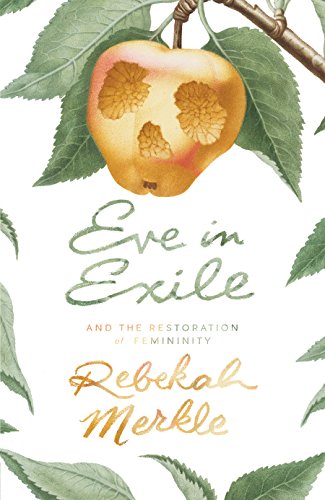
Eve in Exile and the Restoration of Femininity
The swooning Victorian ladies and the 1950s housewives genuinely needed to be liberated. That much is indisputable. So, First-Wave feminists held rallies for women's suffrage. Second-Wave feminists marched for Prohibition, jobs, and abortion. Today, Third-Wave feminists stand firmly for nobody's quite sure what. But modern women -- who use psychotherapeutic antidepressants at a rate never before seen in history -- need liberating now more than ever. The truth is, feminists don't know what liberation is. They have led us into a very boring dead end.
Eve in Exile sets aside all stereotypes of mid-century housewives, of China-doll femininity, of Victorians fainting, of women not allowed to think for themselves or talk to the men about anything interesting or important. It dismisses the pencil-skirted and stiletto-heeled executives of TV, the outspoken feminists freed from all that hinders them, the brave career women in charge of their own destinies. Once those fictionalized stereotypes are out of the way -- whether they're things that make you gag or things you think look pretty fun -- Christians can focus on real women. What did God make real women for?
This book is published by Canon Press. At Canon Press, we’re gospel outfitters: no matter who you are or what you do, you’re called to be increasing in Biblical faithfulness. That’s because Jesus’s death and resurrection changed everything: All of Christ, for all of life, for all the world.
As the wisest man said, “Go, eat your bread with joy, and drink your wine with a merry heart; for God has already accepted your works” (Eccl. 9:7).
We believe reformation and revival start from faith in the Lord with joyful obedience to the Bible, and that is what makes everyday tasks significant and transforms culture. Because of these beliefs, we offer books on Christian living, encouragement, contentment, raising kids, healthy marriages, educational choices, classical education, homeschooling, politics, government, feminism, identity, manhood, womanhood, singleness, virtue, and so much more.
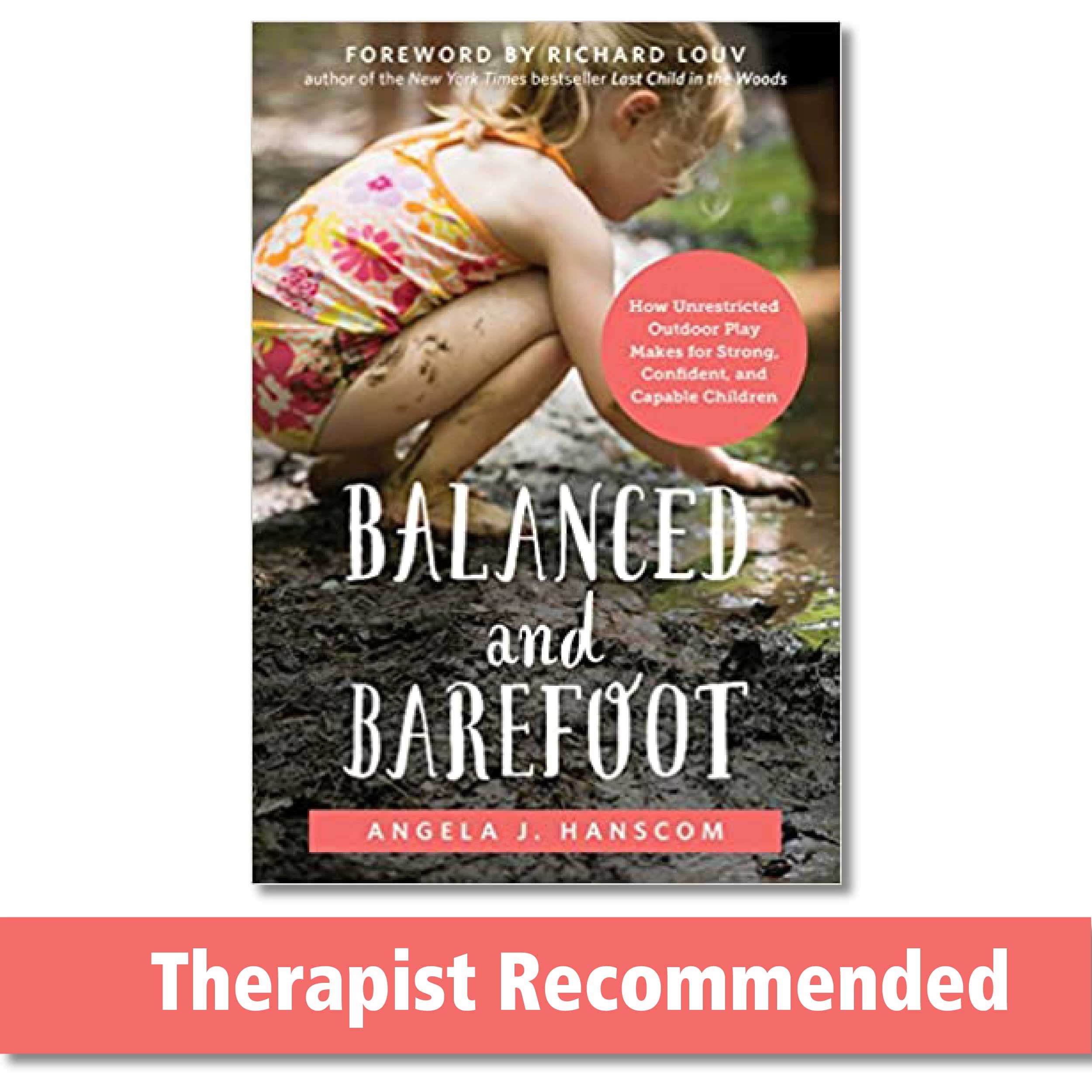
More info →Balanced and Barefoot: How Unrestricted Outdoor Play Makes for Strong, Confident, and Capable Children
In this important book, a pediatric occupational therapist and founder of TimberNook shows how outdoor play and unstructured freedom of movement are vital for children’s cognitive development and growth, and offers tons of fun, engaging ways to help ensure that kids grow into healthy, balanced, and resilient adults.
Today’s kids have adopted sedentary lifestyles filled with television, video games, and computer screens. But more and more, studies show that children need “rough and tumble” outdoor play in order to develop their sensory, motor, and executive functions. Disturbingly, a lack of movement has been shown to lead to a number of health and cognitive difficulties, such as attention deficit/hyperactivity disorder (ADHD), emotion regulation and sensory processing issues, and aggressiveness at school recess break. So, how can you ensure your child is fully engaging their body, mind, and all of their senses?
Using the same philosophy that lies at the heart of her popular TimberNook program—that nature is the ultimate sensory experience, and that psychological and physical health improves for children when they spend time outside on a regular basis—author Angela Hanscom offers several strategies to help your child thrive, even if you live in an urban environment.
Today it is rare to find children rolling down hills, climbing trees, or spinning in circles just for fun. We’ve taken away merry-go-rounds, shortened the length of swings, and done away with teeter-totters to keep children safe. Children have fewer opportunities for unstructured outdoor play than ever before, and recess times at school are shrinking due to demanding educational environments.
With this book, you’ll discover little things you can do anytime, anywhere to help your kids achieve the movement they need to be happy and healthy in mind, body, and spirit.
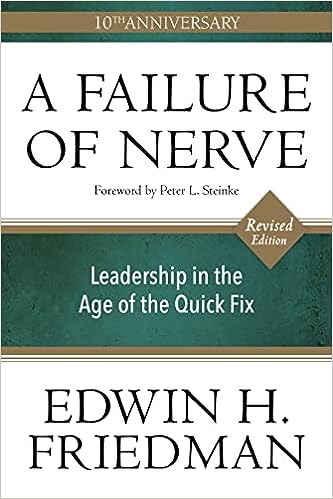
More info →A Failure of Nerve: Leadership in the Age of the Quick Fix
An invitation and guide for leaders “to cast a courageous and imaginative vision, to lead resiliently, and to be present and steady in times of deep anxiety.”
Ed Friedman’s genius was to see the individual in the family in the larger group, bringing the wisdom of his experience as a therapist and rabbi to the field of organizational leadership.
A timeless bestseller, A Failure of Nerve still astonishes in this new edition with its relevance and continues to transform the lives of leaders everywhere―business, church, family, schools―as it has for more than 20 years:
- Offers prescient guide to leadership in the age of “quick fix.”
- Provides ways to recognize and address organizational dysfunction.
- Emphasizes “strength over pathology” in these anxious times.
“The age that is upon us requires differentiated leadership that is willing to rise above the anxiety of the masses. We need leaders who will have the ‘capacity to understand and deal effectively’ with the hive mind that is us. This is, in Friedman's words, ‘the key to the kingdom.’ I am grateful for this accessible new edition.”
―C. Andrew Doyle, Bishop, Episcopal Diocese of Texas
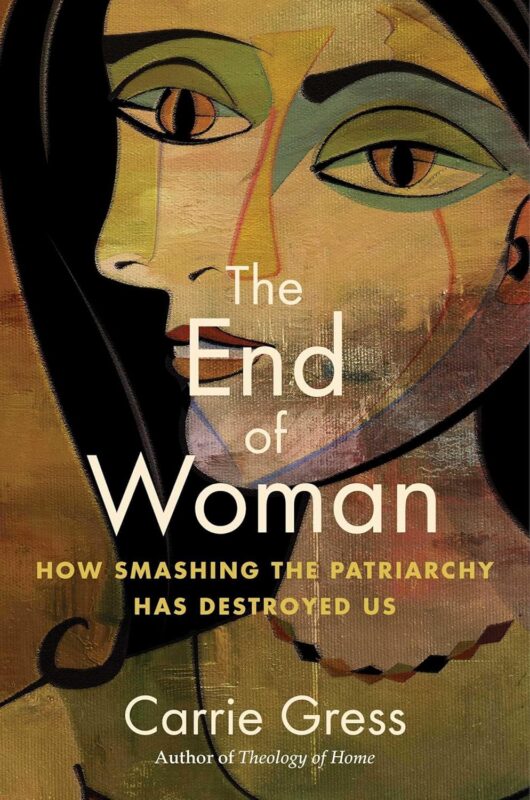
The End of Woman: How Smashing the Patriarchy Has Destroyed Us
Feminism doesn’t empower women. It erases them.
The bestselling author of Theology of Home, Carrie Gress shows that fifty years of radical feminism have solidified the primacy of the traditionally male sphere of life and devalued the attributes, virtues, and strengths of women.
Feminism, the ideology dedicated to "smashing the patriarchy," has instead made male lives the norm for everyone. After fifty years of radical feminism, we can’t even define "woman." In this powerful new book, Carrie Gress says what cannot be said: feminism has abolished women.
Hulking "trans women" thrash female athletes. Mothers abort their baby girls. Drag queens perform obscene parodies of women. Females are enslaved for men's pleasure—or they enslave themselves. Feminism doesn’t avert these tragedies; it encourages them. The carefree binge of self-absorption has left women exploited, unhappy, dependent on the state, and at war with men. And still, feminists cling to their illusions of liberation.
But there are real answers. Real answers for real women. Carrie Gress—a wife, mother, and philosopher—punctures the myth of feminism, exposing its legacy of abuse, abandonment, and anarchy. From the serpent’s seduction of Eve to Mary Shelley's Frankenstein to Kate Millett’s lust, violence, and insanity to Meghan Markle’s havoc-ridden rise to royalty, Gress presents a history as intriguing as the characters who lived it. The answers women most desperately need, she concludes, are to be found precisely where they are most afraid to look.
Only a rediscovery of true womanhood—and motherhood—can pull our society back from the brink. And happiness is possible only if women are open to making peace with men, with children, with God, and—no less difficult—with themselves. For feminism’s victims, Gress is a welcoming voice in the darkness: The door is open. The lights are on. Come home.
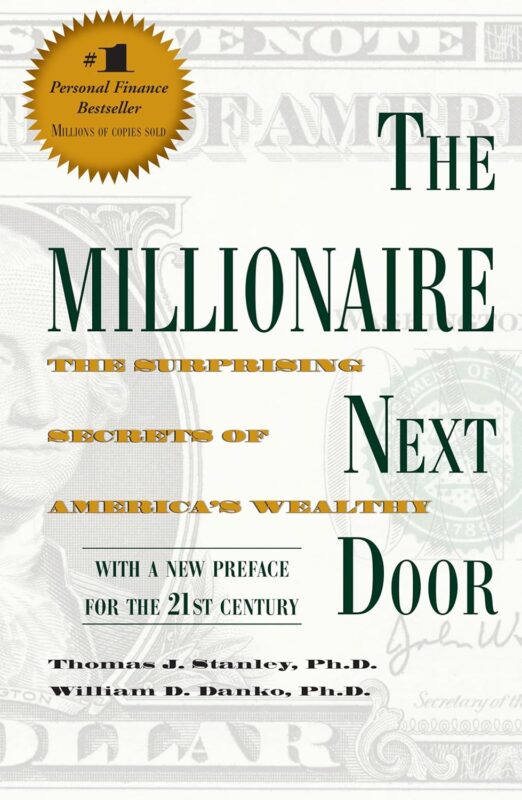
More info →The Millionaire Next Door: The Surprising Secrets of America’s Wealthy
The bestselling The Millionaire Next Door identifies seven common traits that show up again and again among those who have accumulated wealth. Most of the truly wealthy in this country don't live in Beverly Hills or on Park Avenue-they live next door. This new edition, the first since 1998, includes a new foreword for the twenty-first century by Dr. Thomas J. Stanley.
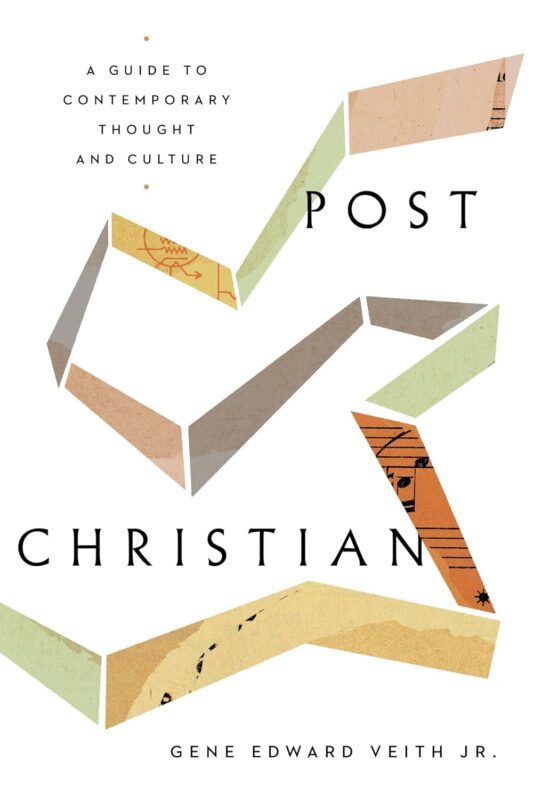
More info →Post-Christian: A Guide to Contemporary Thought and Culture
Undaunted Hope in a Post-Christian World
We live in a post-Christian world. Contemporary thought―claiming to be “progressive” and “liberating”―attempts to place human beings in God’s role as creator, lawgiver, and savior. But these post-Christian ways of thinking and living are running into dead ends and fatal contradictions.
This timely book demonstrates how the Christian worldview stands firm in a world dedicated to constructing its own knowledge, morality, and truth. Gene Edward Veith Jr. points out the problems with how today’s culture views humanity, God, and even reality itself. He offers hope-filled, practical ways believers can live out their faith in a secularist society as a way to recover reality, rebuild culture, and revive faith.
More info →