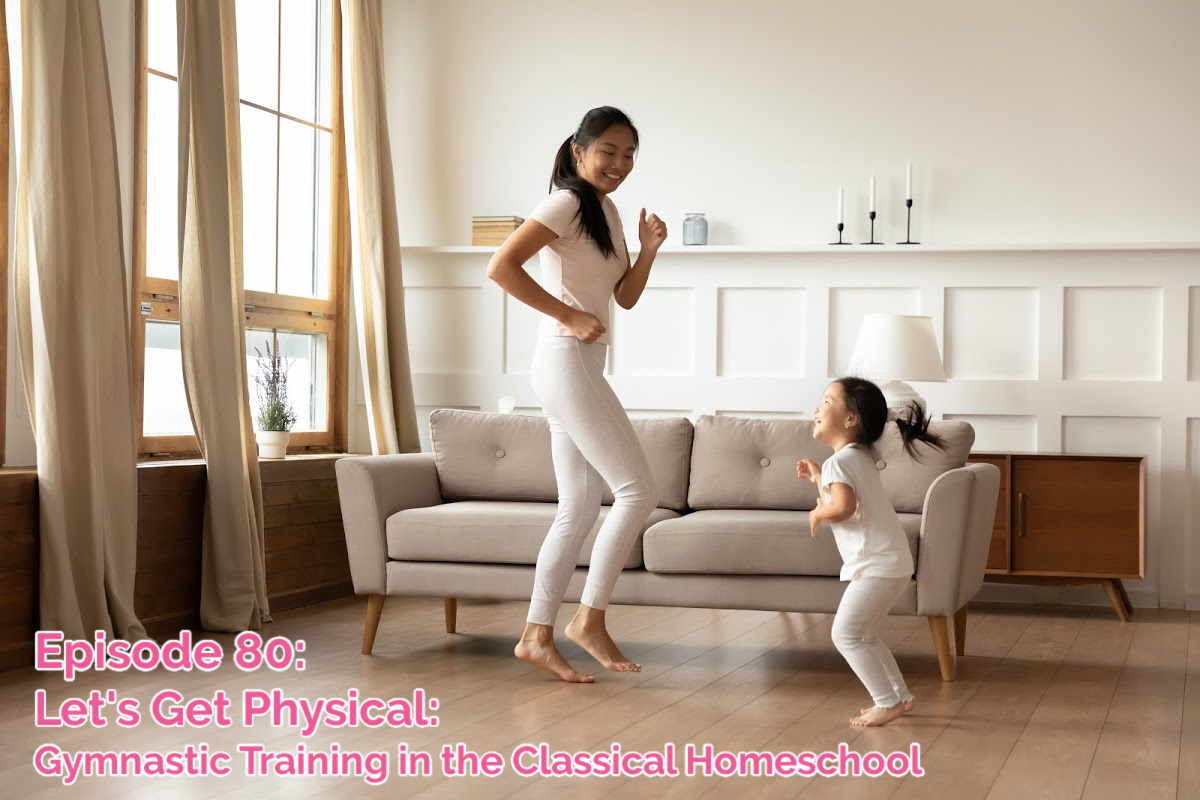
SS #80: Let’s Get Physical (Gymnastic in a Classical Education)
Today’s discussion about physical training in classical education was one Brandy, Mystie, Pam, and Abby got to record when they were all together in Phoenix for the Loving Well retreat. They do get philosophical and discuss why these things are important, but they also get practical and talk about a bunch of ideas that they hope will help us all get started if we’re ready to get physical in our homeschools.
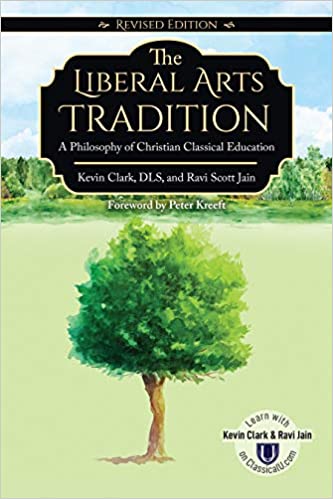
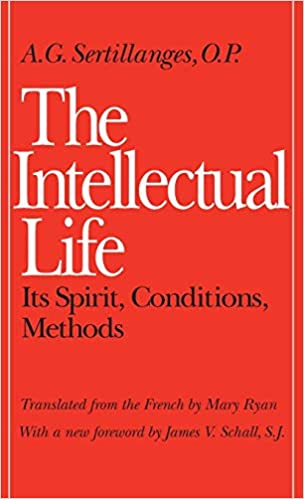
We spend a great deal of time thinking about what our children should read and learn. How often do we think about what they should be able to do with their bodies? In The Liberal Arts Tradition, Kevin Clark and Ravi Jain argue that physical training belongs within a Christian classical education. That sent us into a conversation about fitness, virtue, and what it means to prepare our children for the lives they’ve been given.
Being fit for service looks different from family to family. It might mean having the stamina to help during lambing season, learning to swim, or being able to join the games your community plays. We talk about training for those real responsibilities and pleasures, navigating youth sports, and helping children discover that they can do hard things.
We also share what physical education has looked like in our own homes, from neighborhood PE and martial arts to walks, dancing, fencing, pull-up bars, and games in the yard. You don’t need to do everything. The question is what will help your children serve and participate well where they are.
Reasons for Physical Training
Today’s Hosts
Brandy Vencel

Mystie Winckler
Abby Wahl
Pam Barnhill
Scholé Every Day: What We’re Reading



On Christian Teaching, by Saint Augustine
Summary from episode mention.
Hallowed Be This House: Finding Signs of Heaven in Your Home, by Thomas Howard
Summary from episode mention.
The Betrothed, by Alessandro Manzoni
Summary from episode mention.
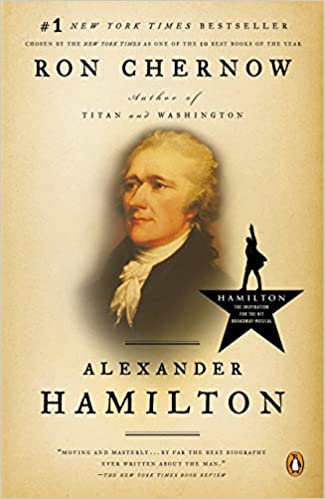
Alexander Hamilton, by Ron Chernow
Summary from episode mention.
PE is more than extracurricular
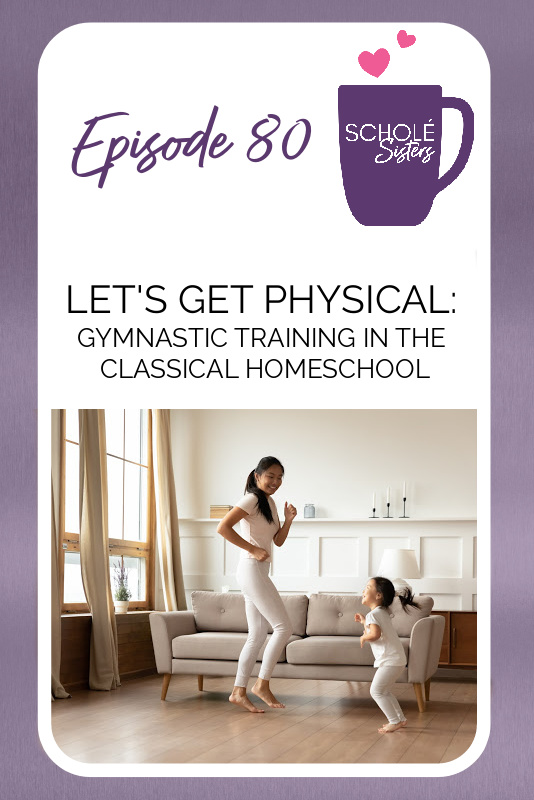
If we say education is for the whole person, we cannot quietly set the body aside while we attend to the mind and soul. A child learns perseverance by wrestling with a difficult book, yes, but also by running another lap when he would rather stop.
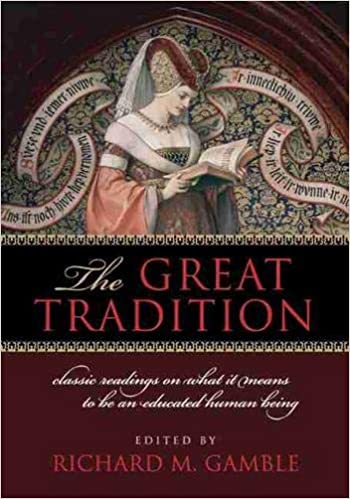
Physical training gives him practice in directing his body instead of being ruled by every passing feeling. The Greeks called this part of education gymnastic, and Clark and Jain are right to remind us that it belongs within the curriculum, not tacked on after the “real” learning is done.
We also want our children to be fit for something. A strong swimmer may be able to help someone in trouble. A child with stamina can pitch in when the family faces a long day of work. A child who can dance, hike, or toss a ball can join the pleasures of a community rather than watch from the sidelines.
None of this requires every family to produce an athlete. It does give us a better question than “Does this count for PE?”: What physical abilities will help this child serve others and take part in the life around him?
Fit for festivity
We talked about being fit for service, but what about being fit for festivity? If your family plays softball at the Fourth of July picnic, dances at weddings, or goes hiking with friends, it helps to know enough to join in.
No one needs to be especially good at any of these things, but learning to throw a ball, keep time to music, or walk a trail gives a child a way to take part in the fun with everyone else. That, too, is a good reason to include physical training in education: we want our children ready to enjoy the life of their community.
Develop both body and soul
We sometimes plan education as though the mind does the learning and the body merely carries it from one lesson to the next. But the child puzzling through a hard math problem is the same child learning to balance, swim, or run a mile.
Physical training asks him to pay attention, practice a skill, accept correction, and try again when he gets it wrong. Those habits will sound familiar to anyone who has taught a child Latin or long division.
The connection works the other way, too. One of our children likes an intense workout before tackling math because he finds it easier to settle down and think afterward. Another child may discover, after persevering through a difficult book, that he can persevere through a difficult run.
We can remind our children of the hard things they’ve already done in either realm. They’re growing as whole people, and their education should give both mind and body room to grow.
Mentioned in the Episode
Listen to related episodes:
No posts
Be a part of the conversation!
Discuss this podcast with other moms inside Sistership.
Podcast: Play in new window | Download