
SS #79: East Meets West: Classical Education in China (with Ravi Jain!!)
Our guest today is Ravi Jain, who is now tied with Cindy Rollins for the Scholé Sisters title for Most Appearances as this is his third time on the show. Ravi Jain has a BA from Davidson College, an M.A. from Reformed Theological Seminary, and a Graduate Certificate in Mathematics from the University of Central Florida. He coauthored The Liberal Arts Tradition with Kevin Clark, now translated into Chinese.
Today’s discussion is Brandy’s favorite so far from this season because she finally got to ask Ravi Jain about a number of things she’s been thinking pondering; his thoughts on things like multiculturalism and Western Imperialism and how they relate to Christian Classical education in general and the Christian classical school movement in China in particular are fascinating.
What does Christian classical education look like in China? When Ravi Jain and Kevin Clark began working with Chinese Christian schools, Ravi worried that they might be importing Western culture along with the curriculum.
What he found challenged his assumptions. The educators he met wanted to receive the Christian faith handed down through Scripture and the historic church, and they saw value in studying how Christians before them had brought that faith to bear on education and culture.
In this conversation, Ravi joins us to untangle the terms Western culture, Christian culture, and classical education. We talk about what the church received from Greece and Rome, how Christians can recognize truth in other traditions, and why Chinese educators want room to decide for themselves how their own inheritance belongs in their schools. Their questions give us a fresh way to examine what we’re teaching our children—and why.
Preserving Christian Culture
Today’s Hosts and Source

Brandy Vencel
topical intro

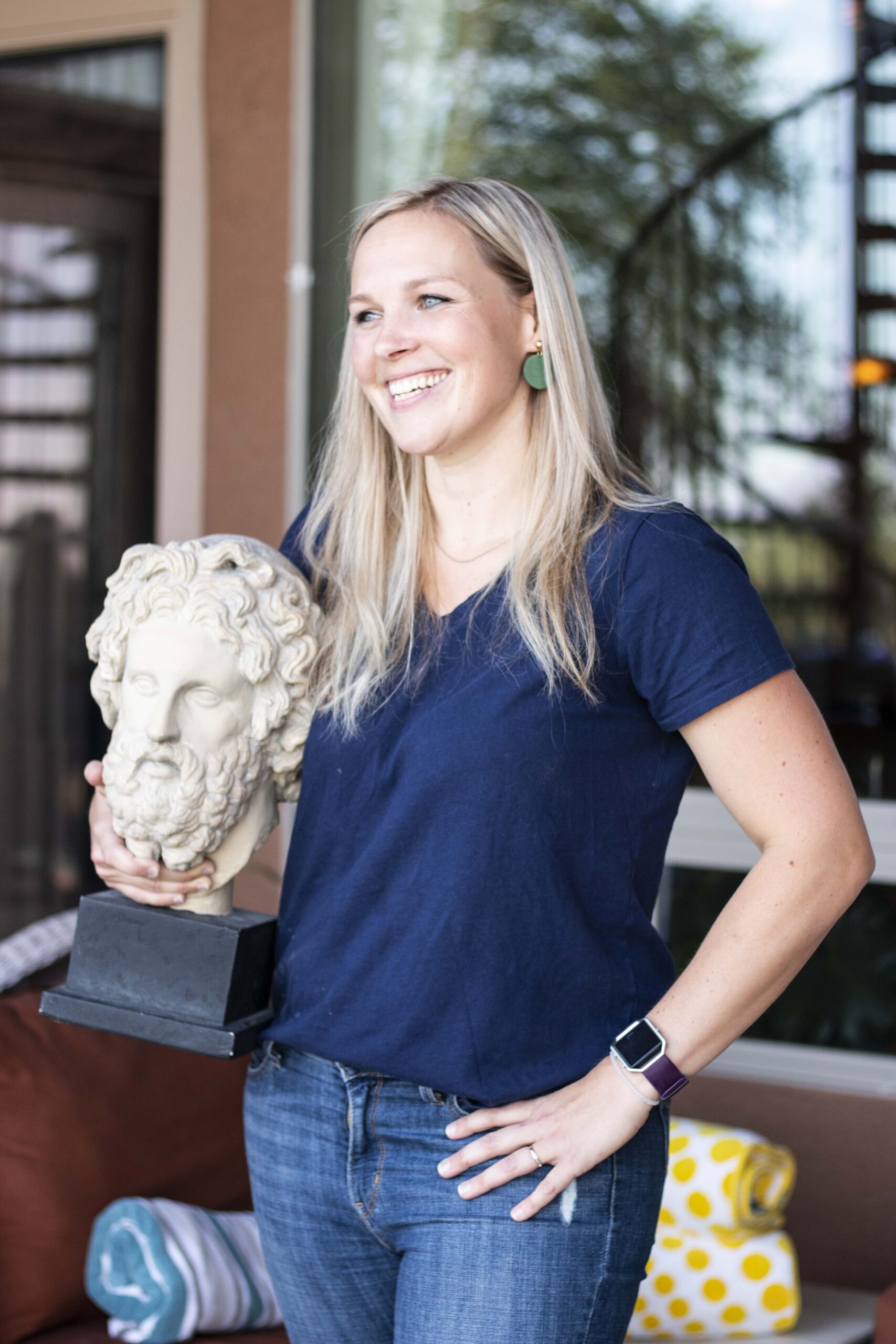
Mystie Winckler
topical intro
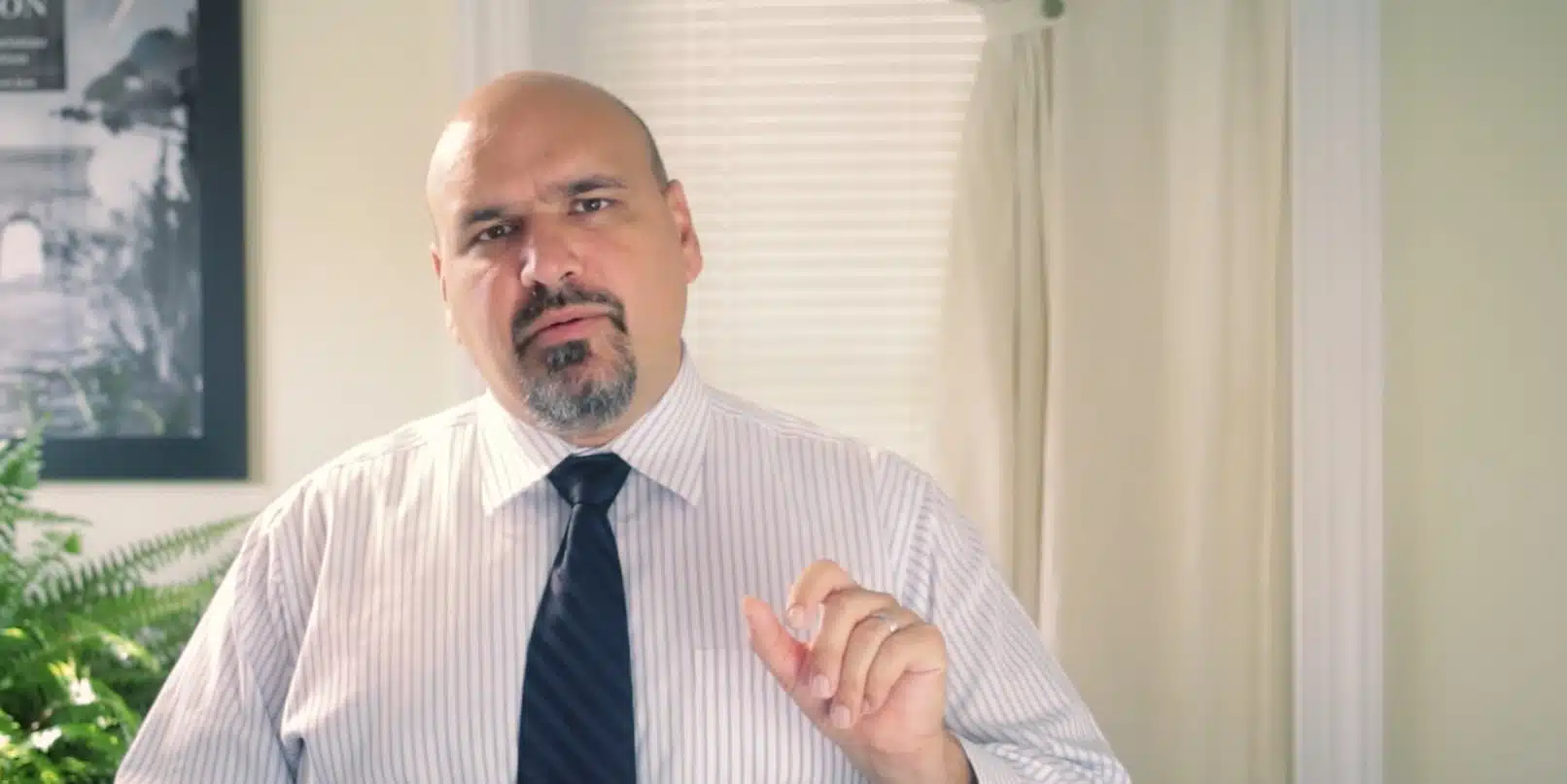
Featuring Guest: Ravi Jain
Ravi currently teaches Calculus, AP Calculus, and Physics at the Geneva School in Orlando, Florida. He has given over 150 talks and workshops throughout America, Africa, and China on topics related to education, theology, mathematics, and science. He has served as a deacon in his church and is a founding Alcuin fellow. He enjoys spending time with his two boys, Judah and Xavier, and his wife Kelley Anne, whom he met in Japan.
Scholé Every Day: What We’re Reading


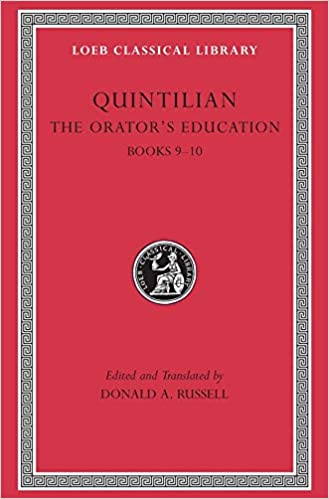
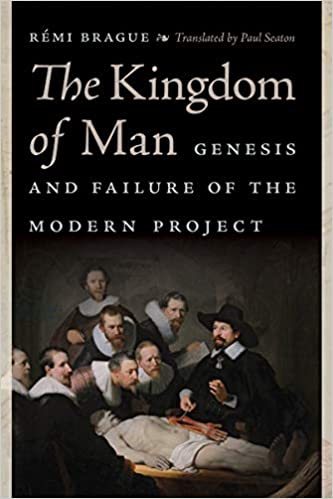
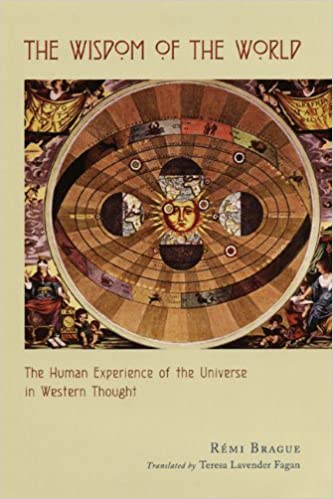
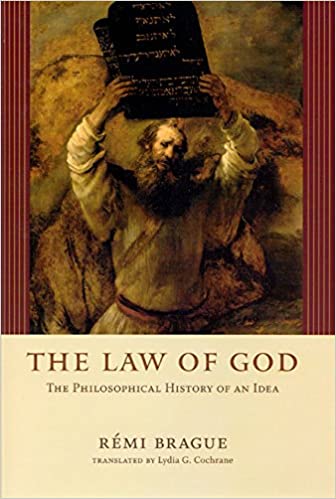
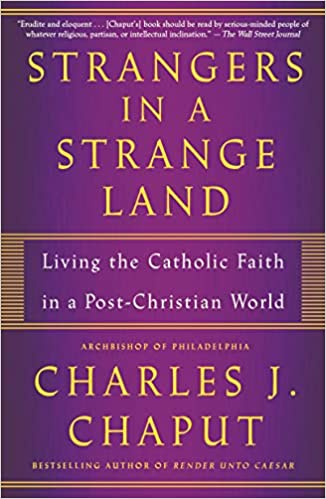
Title – link to page, author
Summary from episode mention.
Title – link to page, author
Summary from episode mention.
Title – link to page, author
Summary from episode mention.
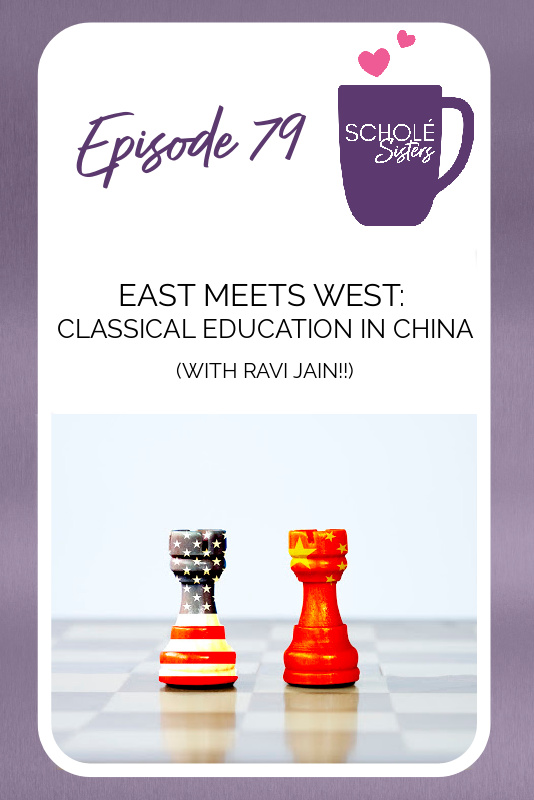
Christian Classical Education in China
When Ravi Jain first traveled to China to work with Christian classical schools, he worried about bringing Western culture along with the curriculum. But the Chinese educators he met knew what they were looking for. They wanted an education shaped by Christ and connected to the wisdom of Christians who had gone before them. Their questions helped Ravi see his own inheritance more clearly.
Why Chinese Christians Look to the Historic Church
Chinese Christians face pressure to make their faith fit an official definition of Chinese culture. Ravi tells us about church leaders who insist that Christian doctrine is something they receive from Scripture, the apostles, and the historic church; they cannot revise it to satisfy the state.
Their stand raises a question for all of us: when we call something “Christian,” are we receiving the faith once received, or remaking it to suit our own time and place?
Is Classical Education Western or Christian?
Greek and Roman books fill a classical curriculum, so it’s fair to ask what makes that curriculum Christian.
Ravi takes us back to the early church, where Christians examined the learning they inherited, kept what was true, and brought it under the lordship of Christ.
That history gives us a way to speak more carefully about “the West.” We want our children to know the Greeks and Romans, and we also want them to see what happened when the church received and transformed that inheritance.
Chinese Culture in a Christian Classical Curriculum
Ravi expected Chinese Christian educators to draw heavily on Confucius and other ancient Chinese thinkers. They surprised him by saying that most children today have little connection to those texts, and that comparisons like “Confucius is China’s Aristotle” feel forced.
One scholar of ancient Chinese recommended that students read the Bible in Chinese and Chinese missionary biographies: the language is beautiful, and the biographies show Christian faith meeting Chinese culture. Then Ravi heard that same scholar teach an ancient Chinese poem through a Christian understanding of nature. The educators were drawing on their inheritance, but intentionally putting Christ at the center.
What Should Christian Homeschoolers Preserve?
When educators are told to take “the West” out of the curriculum, what exactly are we being asked to remove? Ravi’s conversations with Chinese Christians made that question even harder to answer.
They were seeking the wisdom of the historic church, much of which came to them through Western Christendom, while seeing the problems of the modern West clearly enough to want something deeper.
Ravi urges us to know our inheritance well enough to recognize what the church received, what it transformed, and what it has handed down to us so that we can pass it on to our children and grandchildren.
Mentioned in the Episode
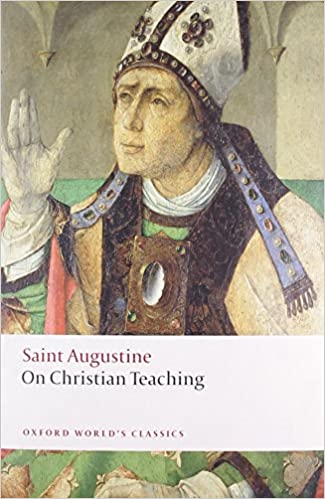
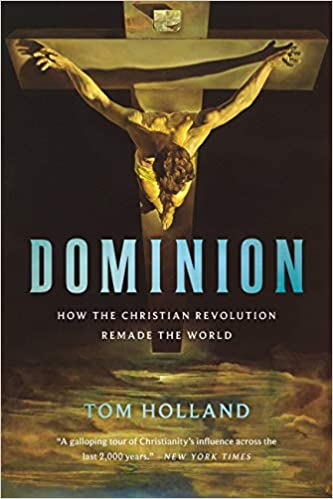
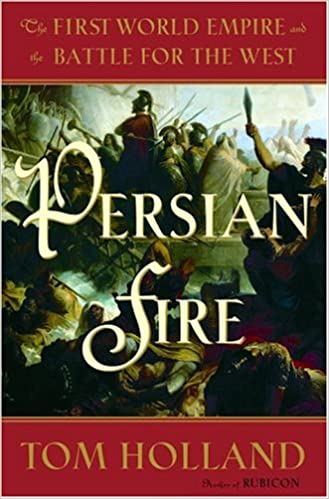
Listen to related episodes:
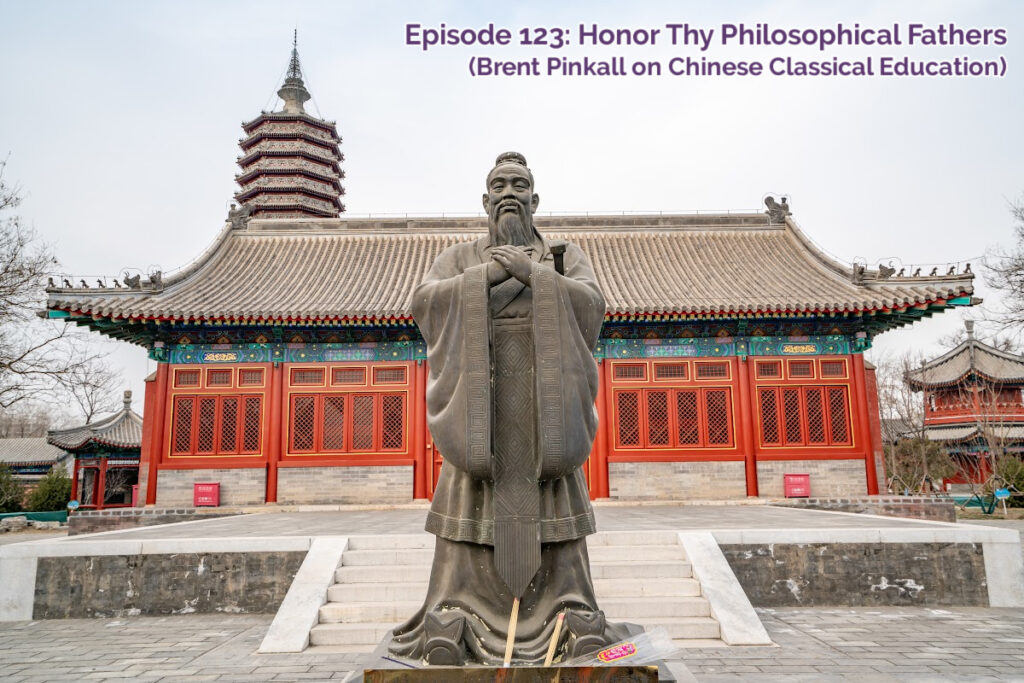
SS #123 – Chinese Classical Christian Education with Brent Pinkall
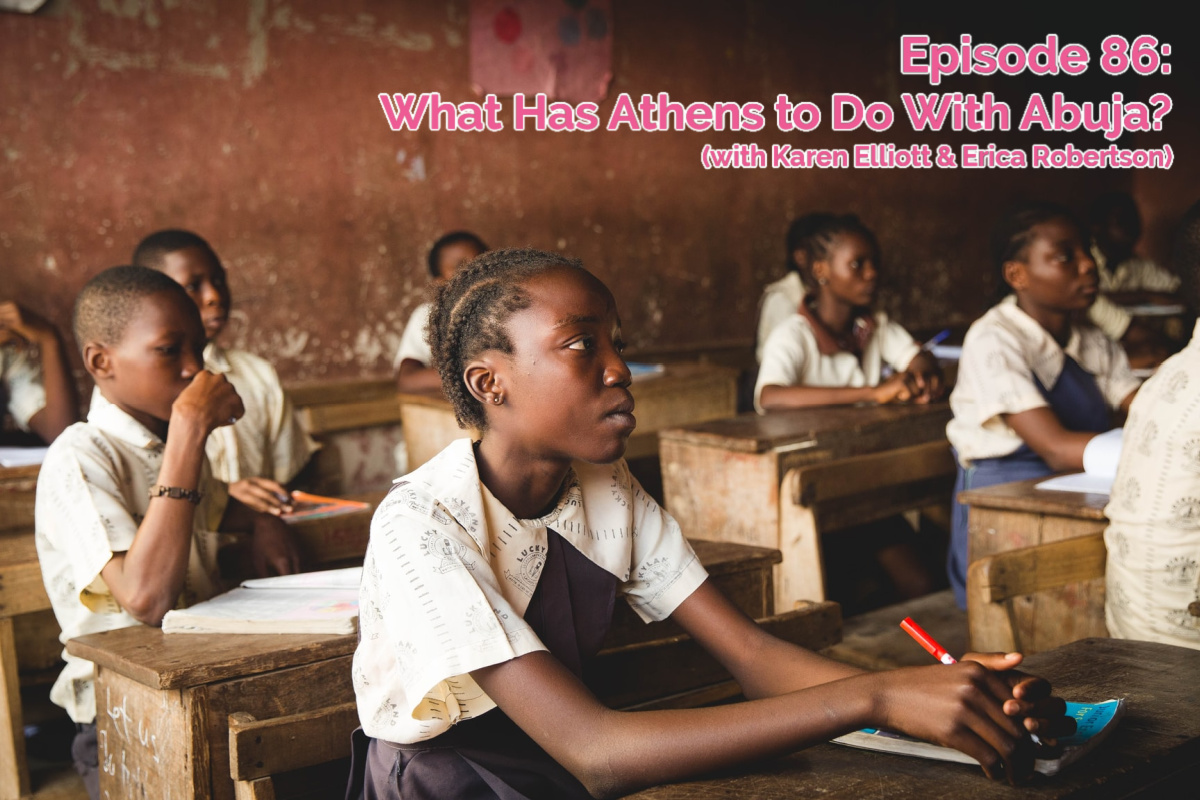
SS #86: What Has Athens to do with Abuja? (Classical Education in Africa)
SS #84: Passport to Foreign Language
Be a part of the conversation!
Discuss this podcast with other moms inside Sistership.
One Comment
Comments are closed.