
SS#168: Is Your Child Behind?
Are our children actually behind—or are we just afraid to ask the question?
In a culture that increasingly dismisses standards altogether, many mothers are told that concern itself is the problem. Behind what? becomes a conversation-stopper rather than an invitation to wisdom. But as homeschooling mothers, we cannot afford either panic or denial. We are responsible for forming real children for real adulthood, and that requires discernment, courage, and standards worth keeping.
In this episode, we take up the hard but necessary work of thinking clearly about what it means for a child to be behind. We talk about the difference between late blooming and genuine neglect, between unhelpful standardization and the complete rejection of standards. We wrestle with consistency, excellence, intervention, and the quiet ways mediocrity becomes normalized if we are not paying attention.
This is not a conversation about perfection or comparison. It is a conversation about responsibility, love, and wisdom—about showing up for the work that is ours and helping our children take the next faithful step forward.
Developmental Standards Are Valid
Today’s Hosts
Brandy Vencel
has worked with her four homeschool students when they’ve been behind and advanced
Mystie Winckler
has only advanced students (who probably read the show notes)

Abby Wahl
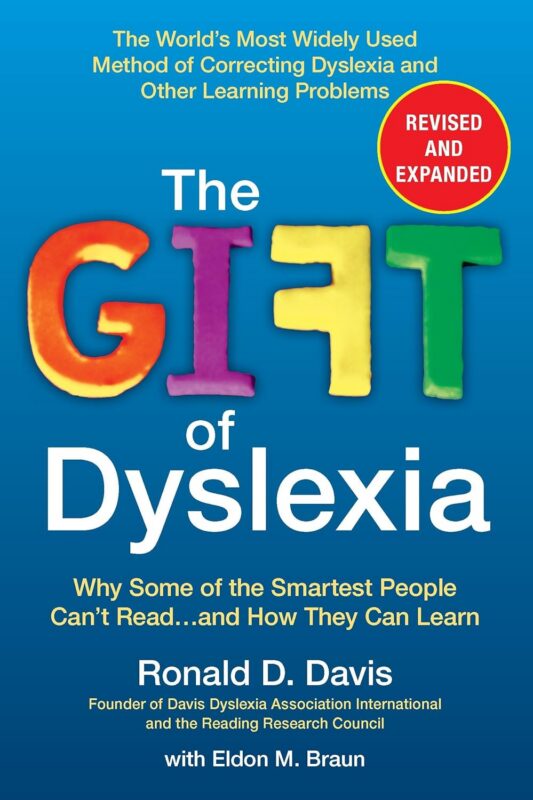
has wisely stewarded her 4 out of 5 dyslexic kids into strong students.
Scholé Every Day: What We’re Reading



White Horse King, Dr. Benjamin Merkle
Mystie listened this this engaging history of King Alfred on a family drive.
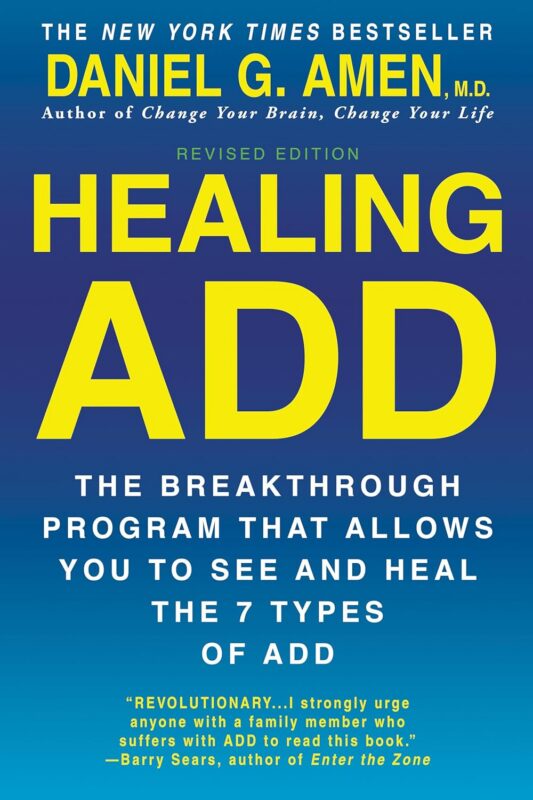
Healing ADD, Dr. Daniel Amen
Abby is learning that you are often not doomed to your neurodivergent symptoms.
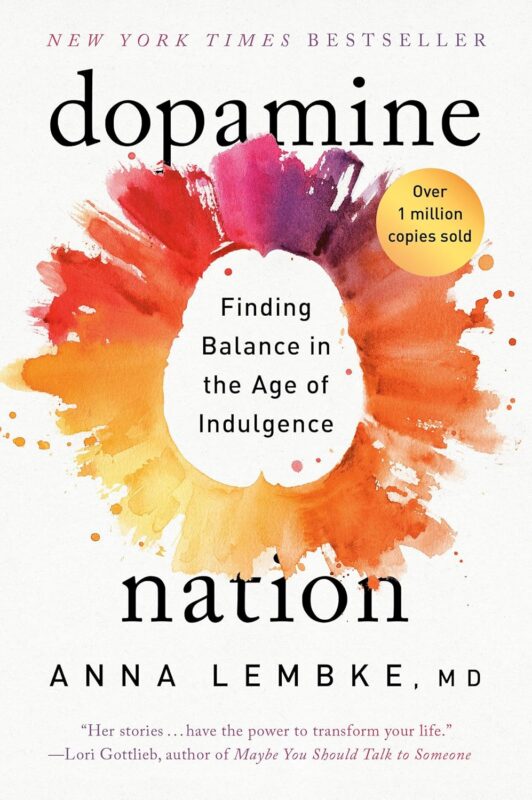
Dopamine Nation, Dr. Anna Lembke
Brandy recommends this book with cautions.
Are we behind?
We keep hearing the soothing answer: Behind what? Sometimes that question is wise. Often it’s a dodge. It can become a way to shrug off standards, avoid discomfort, and dissolve responsibility. If there is no “normal,” then there is no obligation. If there is no target, then no one failed to hit it.
But children do not raise themselves. They do not educate themselves. As mothers, we are shepherding real persons toward healthy adulthood. That means we need standards. Not trendy ones. Not bureaucratic ones. Not the shifting “average” of a culture in decline. We need worthy and wise standards, and we need the courage to face what they reveal.
Standards are not tyranny
We do not accept public school scope-and-sequence as a moral law. Grade levels are conventions. Some classroom tactics are simply bad tactics, even if they are labeled “advanced.” A child isn’t “behind” because he isn’t writing five-paragraph essays in third grade. That’s a wrong method masquerading as a benchmark.
Still, throwing out bad standards is not the same thing as rejecting standards altogether. Children move through stages. Skills build on skills. There is a range of normal, and a healthy child should generally remain within that range. We can reject standardization without abandoning standards.
Sometimes “behind” is a warning light
We have learned this the hard way. Sometimes a child is behind because he is a late bloomer and will catch up with time and steady instruction. Sometimes a child is behind because something is genuinely wrong—something that needs intervention.
We have watched reading struggle become a crisis, not because the child was lazy, but because dyslexia made the work feel impossible. Words swam. Sound blends would not stick. The child knew he was behind. And once the problem was named, the path forward required unglamorous faithfulness: daily exercises, long weeks, persistence over months and even years. Early intervention would have helped, but once we see, we act. The second best time to plant the tree is today.
We have also watched speech delay turn out to be hearing loss. A mother can understand her own child well enough to miss what outsiders would catch quickly. Then one comment lands—What if he can’t hear?—and suddenly there is a hearing test, a solvable physical issue, and later speech therapy guided by real milestones. That kind of help tells us when to wait and when to move. It can keep us from missing developmental windows that do not reopen easily.
So yes, “behind what?” is sometimes a valid question. But it is never loving to use it as an automatic shutdown. When a mother voices concern, the first move is not dismissal. The first move is attention.
Two kinds of behind
We have to keep two categories clear.
One kind of behind is developmental: late blooming, learning difficulties, uneven strengths. That requires patience, observation, and wise adjustments.
The other kind of behind is moral and practical: we aren’t really doing the work. We blame life, we blame chaos, we blame circumstances, and then we realize the hard truth: we were not homeschooling, and we were not even intentionally unschooling. We were drifting. In that case the child is behind because we did not show up.
That is painful to admit. It is also freeing, because it means the next step is not panic. The next step is repentance and responsibility—then action.
Consistency is not perfectionism
We also have to define consistency honestly. Some mothers call themselves inconsistent because every day does not look identical. That is perfectionism talking. Consistency does not mean rigid sameness. It means showing up to do what your children actually need.
And sometimes what a child needs is more consistency than is convenient. We have seen this in math. A child with weak memory can lose the thread with too many days off. “Three or four days a week” might be enough for a quick learner, but it can slowly sink a struggler. Then we discover that what felt like mercy toward ourselves—protecting our time and energy—was actually selfishness. The workload must fit the child, not our preferred comfort. If the child is three kids worth of work, then love does three kids worth of work.
Ironically, stricter consistency often reduces resistance. When the standard is clear—this is what we do every day—children stop negotiating. Wiggle room invites daily friction. A firm rhythm can become a mercy.
Excellence is a real goal
We do not mean perfection. We mean pursuit. Excellence means we choose worthy work, we keep going, we revise, we improve, we require effort. It is easy to buy a “grade in a box” and assume failing to finish it means failing as a homeschooler. Often even classroom teachers do not “get through” everything in the box. They use materials as options and apply wisdom. We must learn that wisdom too.
In co-ops, we have watched children rise to high expectations when a teacher is clear and consistent. They may complain. They may struggle. But struggle is part of growth, especially in the upper years. Boredom produces its own behavior problems. Difficulty can be a gift.
How do we find standards?
This is where modern life gets tricky. When institutions lower benchmarks, when tests get renormed, when decline gets relabeled as “normal,” we can end up comparing our children to a shrinking standard. That is not mercy. It is surrender.
So we gather standards from better places:
- Living community: seeing a range of normal through playgroups and families you trust.
- Memory and historical perspective: remembering what ordinary children were capable of in earlier decades.
- End goals with concrete tests: aiming for readiness—like community college placement expectations.
- Subjects with built-in sequencing: grammar and math expose gaps clearly because the next step depends on the previous.
- Principled practices: a steady habit of review; requiring revision in writing; always pushing each child to the next level.
- Simple, durable rules: for example, doing the hardest level of math a child can reasonably do—without pretending every child will reach the same endpoint.
We also learn humility here. We can hold a standard and still let it slide. Handwriting is a clean example. Many of us accepted “legible” and stopped calling for beauty. Then sloppiness became the child’s internal standard. And late in the game we find ourselves pulling out an adult cursive program, because we realize we let go too soon. Standards must be maintained, not merely introduced.
The last danger: coasting
There is no coasting. If we coast, that is the problem. Standards drift downward when we get tired, especially with younger children or near the end of our homeschooling years. We assume we did something because we did it with an older sibling. But each child must be taught. Each child must be formed. Each child must be called upward.
So if we suspect a child is behind, we do not hide behind slogans. We consult wise people—our husbands, older women, trustworthy friends. We gather multiple sources. We research. We adjust. We intervene when needed. We refuse both panic and denial.
Our job is to pay attention, pursue wisdom, and help each child take the next step. It is uncomfortable work. It is good work. And by God’s help, we can do it.
Mentioned in the Episode


Listen to related episodes:

SS#174: Machine Culture

SS #140 – Rewards & Motivation

SS #132 – Intellectual Habit Training
SS #121 – The Ideal Type for Women (with David Hicks!!)
Be a part of the conversation!
Discuss this podcast with other moms inside Sistership.