
SS#164: Teaching Courage
In this episode, we talk about the virtue of courage—or, more properly, fortitude. Fortitude is the traditional term you’ll find in older sources and paintings, and while it overlaps with courage, we think there’s a meaningful difference worth exploring.
If education is for virtue—as we believe—then courage must be part of the curriculum. Our conversation moves from defining terms to asking how we cultivate fortitude in ourselves and our children. We draw on Aquinas, Charlotte Mason, C. S. Lewis, G. K. Chesterton, Teddy Roosevelt, and Joe Rigney as we examine how fear, firmness, and the pursuit of the good all intertwine.
We also consider how courage—or cowardice—spreads through communities, why modern life makes fortitude harder to form, and how small, everyday acts of responsibility and endurance prepare us for greater challenges.
From teaching toddlers to stand firm, to confronting cultural cowardice, to trusting God in the face of fear, this episode reminds us that fortitude is not only about battlefields and heroics. It is the steadfastness that allows every other virtue to hold at the testing point—the point of highest reality.
Get Courageous
Today’s Hosts
Brandy Vencel

Mystie Winckler

Abby Wahl
Scholé Every Day: What We’re Reading


Wisdom on Her Tongue, Lexy Sauvé
Mystie is reading this new release and finding it pithy and helpful as a marriage pep talk.
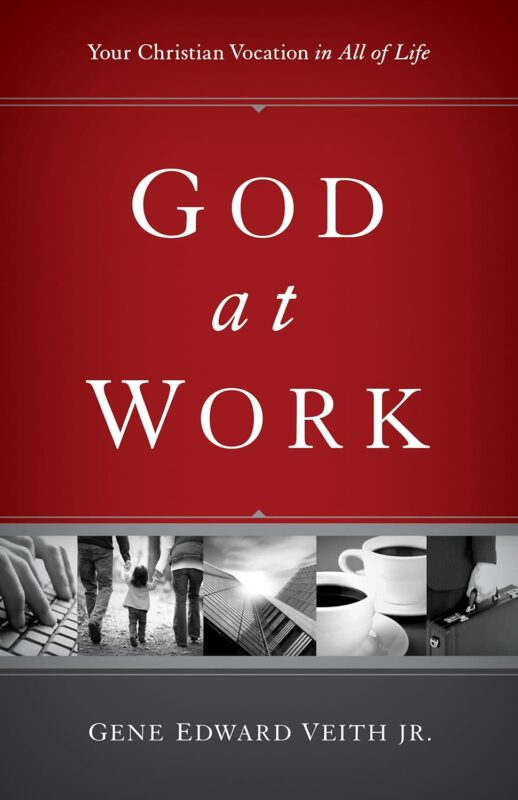
God at Work, Gene Veith Jr.
Abby is enjoying the theological perspective on vocation and labor.
The Unselected Journals of Emma M Lion, Beth Brower
Brandy promised more Brower recommends and delivers.
Fortitude: The Strength to Stand Firm
When we talk about courage, we usually mean bravery—the willingness to act despite fear. But the older word fortitude captures something deeper and more enduring. The two virtues are related, yet not identical. Courage rises in the moment of danger; fortitude steadies us through the long endurance of difficulty. Both are necessary for a virtuous life.
If education is for virtue—as we believe it is—then cultivating fortitude must be part of our curriculum. Teaching our children to read, write, and reason is not enough if we fail to teach them how to stand firm in the face of fear. A true education trains both mind and soul, forming people who not only know what is good, but also have the moral strength to pursue it.
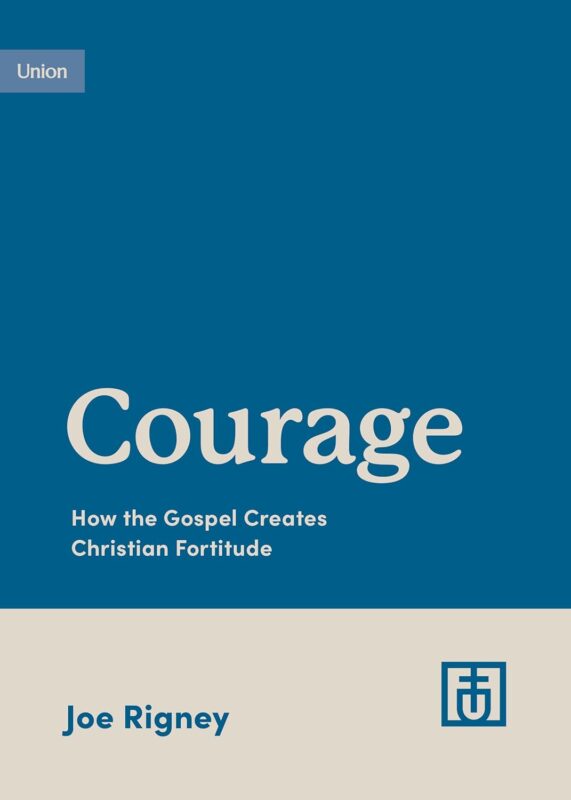
Joe Rigney defines courage as habitual, sober-minded self-possession that overcomes fear through the power of a deeper desire for a greater good. It is not mere boldness or bravado, because rash action can just as easily be foolish. Courage must be anchored in the pursuit of the good; without that higher aim, it becomes recklessness. G. K. Chesterton called courage “a strong desire to live taking the form of a readiness to die,” and that paradox reminds us that courage, rightly ordered, points beyond self-preservation toward virtue and love.
Aquinas helps us see how fortitude fits within the wider framework of the virtues. Virtue, he says, makes its possessor good by ordering reason and desire toward what is right. Justice establishes that right order in human affairs. Temperance guards against the lure of pleasure. Fortitude removes the opposite obstacle—fear of difficulty or danger. It is the strength that allows us to hold steady when doing good is costly or frightening. Every virtue needs this firmness; without fortitude, right reason falters under pressure.
In that sense, fortitude is the condition of every other virtue. It gives stability to justice, perseverance to temperance, and constancy to prudence. It is what keeps us from being “moved” by fear when we are tested. To pursue the good—to do what is right even when it hurts—requires this immovable steadiness. Fortitude is not simply for soldiers or heroes; it is for anyone who wishes to grow into full maturity of soul, becoming what God intended us to be.
Courage at the Testing Point
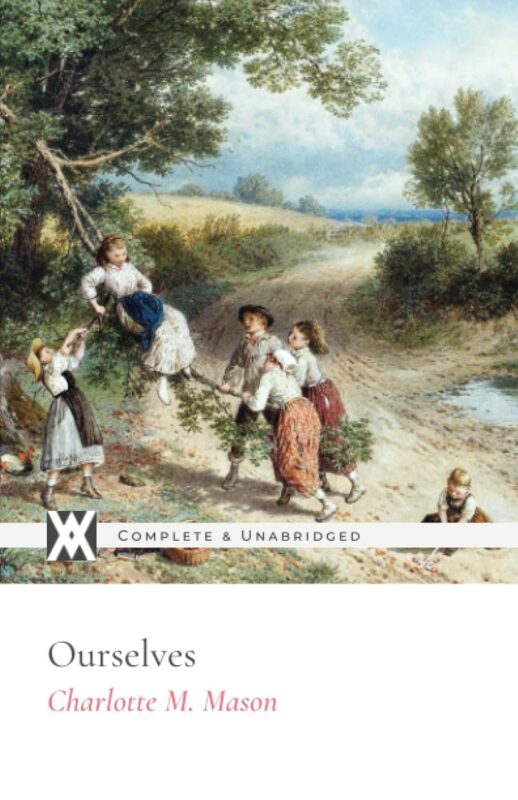
Charlotte Mason wrote that courage comes from the heart—its very name derived from cœur, the French word for heart. In Ourselves, she described courage as a mark of noble living, dividing it into three forms: the courage of attack, the courage of endurance, and the courage of serenity. True courage is not reckless self-assertion; it is the disciplined heart that meets difficulty, pain, and misfortune with calm readiness to act rightly.
This understanding fits with Aquinas’ view of fortitude as firmness of soul. Fortitude steadies us; courage moves us to act. The two meet in what C. S. Lewis called “the testing point”—the moment when our ideals are no longer theoretical but must be lived. Courage, he wrote, is not simply one virtue among others; it is “the form of every virtue at the testing point, at the point of highest reality.” It is what turns conviction into practice. Without courage, even our best intentions remain unrealized.
Teddy Roosevelt’s The Strenuous Life gives this idea flesh and vigor. He warned that gentleness without strength is almost powerless for good. The true Christian, he said, is the true citizen—resolute, industrious, and faithful even in small things. Fortitude requires more than sentiment; it demands exertion. It asks us to do hard things for the sake of the good.
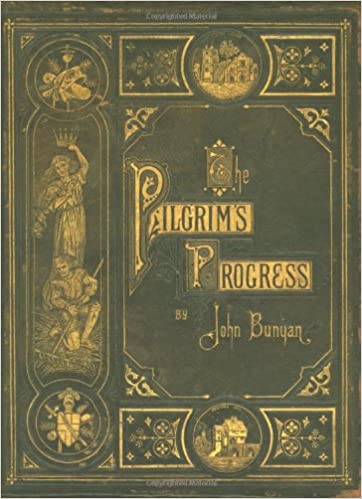
In Pilgrim’s Progress, Christian must resist every temptation to leave the difficult road for an easier one. That story illustrates the daily work of fortitude. The good life is not found on the smooth path, but on the one that requires perseverance and faith. Fortitude teaches us to stay the course, not because it is easy, but because it is right.
And yet, courage is not only personal—it is communal. Joe Rigney observes that courage is contagious, and so is cowardice. Each act of bravery strengthens others to do the same; each act of fear teaches those around us to shrink back. When we live with fortitude, we quietly give others permission to do likewise. The courage of one soul steadies many.
Our culture often celebrates daring gestures while avoiding genuine endurance. But true courage, as Mason, Lewis, Roosevelt, and the saints remind us, is not a single act of defiance. It is a steady heart—strong, calm, and committed to the good—at every testing point of life.
Courage as Contagion
Courage never stays contained. Joe Rigney notes that both courage and cowardice are contagious, spreading through households, classrooms, and whole communities. One brave act strengthens others; one cowardly silence weakens them. That’s why formation in fortitude cannot stay private. The moral tone of a family, school, or church is set not only by what people profess, but by what they dare to do when it costs them something.
Our culture makes this harder. We live surrounded by examples of hesitation—people recording crises instead of intervening, or deferring responsibility with the language of helplessness. The bystander impulse, the habit of waiting for someone else to act, feeds cowardice in small, subtle ways. Over time it shapes how we think, even when the stakes are low. Courage decays when people stop taking responsibility for their choices.
The truth is, fortitude depends on owning our actions. Cowardice often hides beneath victimhood—the belief that our decisions are made for us, that we had no choice. But when we refuse to acknowledge agency, we lose the firmness that defines fortitude. Responsibility is the soil where courage grows.
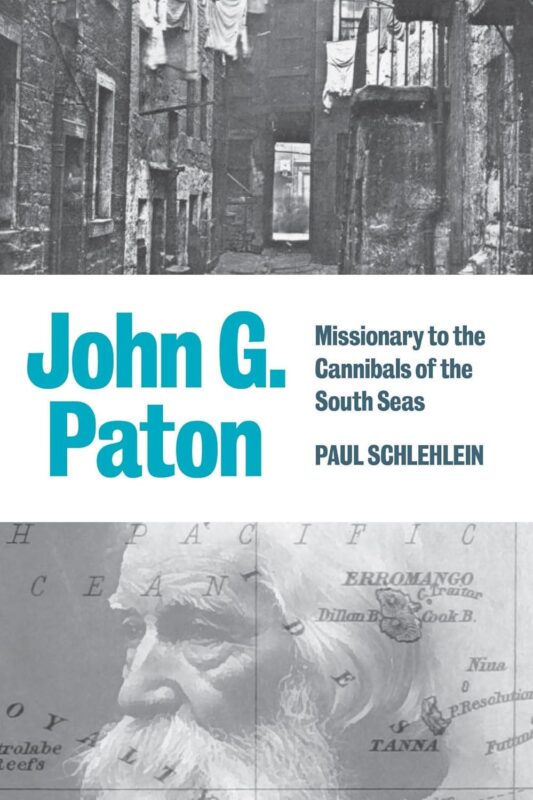
John Paton, the missionary to the South Pacific, expressed that steadiness perfectly. Living among danger and death, he wrote, “I am immortal until God calls me home.” He was not reckless; he simply believed that fear should never rule obedience. Earlier generations understood that truth instinctively: there are things worse than dying. Our own age forgets this and treats comfort, safety, and self-preservation as the highest goods.
Courage doesn’t dismiss prudence, but it refuses to let fear dictate what is right. It acts, not because the danger disappears, but because the good remains. When Christians recover that confidence—that the Lord numbers our days and calls us to faithfulness—we rediscover the contagious strength that fortitude brings. One courageous soul can turn the tide for many.
Classical thinkers prized fortitude as the strength to stand firm in danger, yet Christianity transformed it—showing that the highest form of courage is not aggression, but endurance. The martyrs, not the warriors, became the truest examples of fortitude.
Courage, then, is not found in denial or bravado. It’s found in faith that clings to the greater good—God Himself—and walks forward with calm strength. Fortitude is laughter at the days to come, a settled confidence that hardship and trial are the very tools through which He shapes the soul toward virtue.
Mentioned in the Episode



Listen to related episodes:

SS#161 – Feminism Detox

SS #153: Vainglory (you probably think this episode is about you)

SS #136 – Moral Training, Moral Habits

SS #125 – Numbering the Days of Your Homeschool
Be a part of the conversation!
Discuss this podcast with other moms inside Sistership.