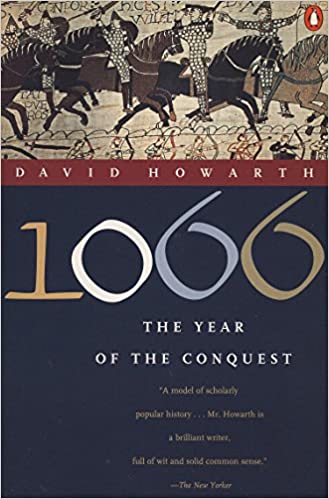
1066: The Year of the Conquest
The year 1066 is one of the most important dates in the history of the Western world: the year William the Conqueror defeated the English at the Battle of Hastings and changed England and the English forever.
The events leading to-and following-this turning point in history are shrouded in mystery. Distorted by the biased accounts written by a subjugated people, many believe it was the English who ultimately won the battle, since the Normans became assimilated into the English way of life.
Drawing on a wealth of contemporary sources, David Howarth gives us memorable portraits of the kings: Edward the Confessor, Harold of England, William of Normandy, as well as the leading political figures of the time. Howarth describes the English commoners: how they worked, fought, died, and how they perceived the overthrow of their world from their isolated shires.
More info →The Millionaire Next Door: The Surprising Secrets of America’s Wealthy
The bestselling The Millionaire Next Door identifies seven common traits that show up again and again among those who have accumulated wealth. Most of the truly wealthy in this country don't live in Beverly Hills or on Park Avenue-they live next door. This new edition, the first since 1998, includes a new foreword for the twenty-first century by Dr. Thomas J. Stanley.
More info →Post-Christian: A Guide to Contemporary Thought and Culture
Undaunted Hope in a Post-Christian World
We live in a post-Christian world. Contemporary thought―claiming to be “progressive” and “liberating”―attempts to place human beings in God’s role as creator, lawgiver, and savior. But these post-Christian ways of thinking and living are running into dead ends and fatal contradictions.
This timely book demonstrates how the Christian worldview stands firm in a world dedicated to constructing its own knowledge, morality, and truth. Gene Edward Veith Jr. points out the problems with how today’s culture views humanity, God, and even reality itself. He offers hope-filled, practical ways believers can live out their faith in a secularist society as a way to recover reality, rebuild culture, and revive faith.
More info →