

SS#179 – Scrappy Adulthood (with Hans Winckler!!)
College has become such a standard part of the expected path to adulthood that choosing another route can feel fraught with peril.
What if your teenager doesn’t know exactly what he wants to do? What if he would rather start working than spend four years earning a degree? Is he finding his own path—or failing to launch?
In this episode, Brandy and Mystie talk with Mystie’s oldest son, Hans, about the unconventional route he took from homeschooling into adulthood, work, marriage, and fatherhood.
They discuss what actually prepares teens for adult responsibility: meaningful work, strong relationships, room to take risks, and the freedom to make mistakes without Mom rushing in to manage the consequences.
Hans didn’t graduate high school with his whole life mapped out, but he was busy trying things, building skills, and shouldering responsibility. His story offers both encouragement and a needed challenge for homeschooling mothers whose teenagers’ plans make them a little nervous.
Keyword
Today’s Hosts and Source

Brandy Vencel
married young, has graduated one son (and two daughters) and will graduate her second son soon. She’s now grandma to one,

Mystie Winckler
married younger, has graduated two sons (and one daughter) and will graduate her third son soon. She is now grandma to two.

Featuring Guest: Hans Winckler
Hans Winckler is a father of two, has been married to his wife Faith for 3 years, and works in real estate sales, all in spite of being a college dropout and growing a mustache.
The oldest son of Matt & Mystie, he was homeschooled from the beginning until age 16, when he attended the local community college full time, graduating high school in 2021 with an Associates Degree.
Scholé Every Day: What We’re Reading



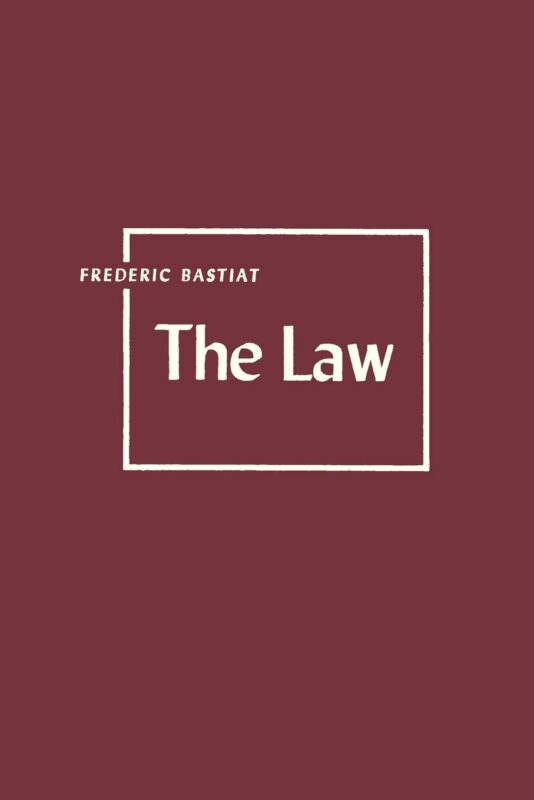
A Brief Reader on the Virtues of the Human Heart, Joseph Pieper
Mystie has only just started Josef Pieper’s tiny, thirty-page A Brief Reader on the Virtues of the Human Heart, but its short, thesis-like statements about virtue, goodness, and the need to look away from our own sentiments and toward objective reality have already given her plenty to stop and think about as she prepares for the Scholé Sisters retreat on prudence.
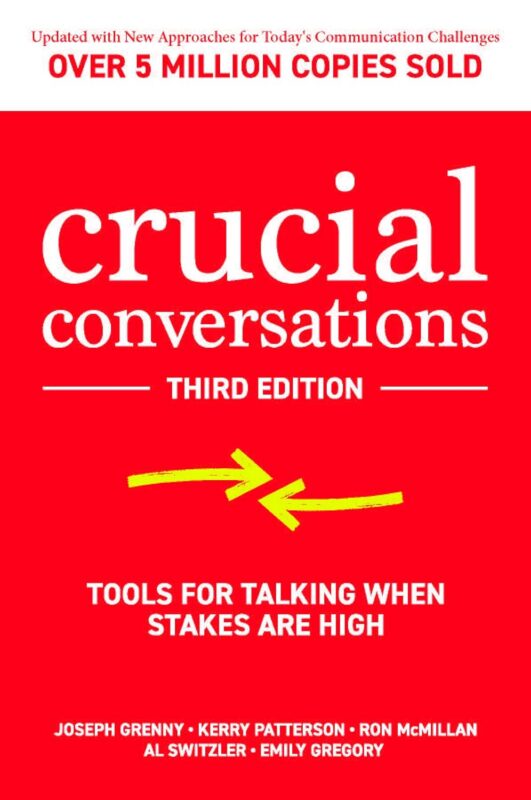
Crucial Conversations, Joseph Grenny
Brandy is reading the third edition of Crucial Conversations, which is technically a business book full of bosses, employees, and workplace conflicts, but is really helping her see how failing to speak the truth in love while a problem is still small can turn silent complicity into an explosion months later—and perhaps explain why some of her own difficult conversations go sideways.
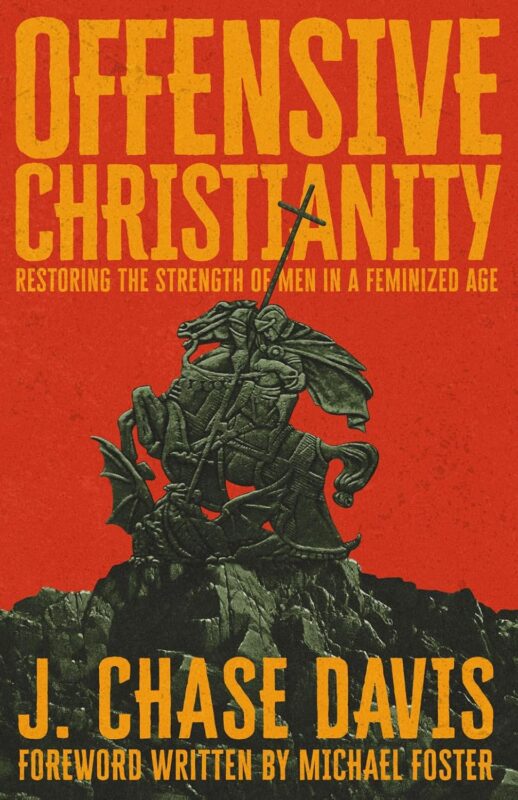
Offensive Christianity, J. Chase Davis
Hans has just begun J. Chase Davis’s Offensive Christianity—pronunciation still under discussion—as a possible choice for the men’s book group he leads, and he is already intrigued by its challenge to the Gnostic idea that body and soul can be separated, particularly when thinking about masculinity, the sexual revolution, and what it means to live faithfully as embodied men and women.

Skipping the 4-year degree
Hans did not skip a bachelor’s degree because he had his whole life figured out. He skipped it because he could see that spending time and money on a degree without a purpose would not move him forward.
Instead, he worked, took flying lessons, considered law enforcement, started an online degree, dropped it when it proved unprofitable, and pursued the opportunities in front of him.
From the outside, that much experimentation could have looked like uncertainty. Mystie saw something different: he was piling on responsibility, not avoiding it. He was testing possibilities quickly, learning from each one, and refusing to waste time. He did not need a perfect plan at eighteen. He needed initiative, useful work, and enough freedom to discover his best path forward.
Multiple learning paths
Getting a college degree is not the only way to acquire “marketable” skills or skills that will help a young man get ahead. The high school and early adult years are prime time for learning useful skills because they have the energy and flexibility to try many things.
College is often not the most effective route, even for good students and those heading into white collar work. It’s also possible to learn by doing: take a job, attempt the repair, and expect to make mistakes.
Competence grows through repeated contact with real problems, not through waiting until someone feels prepared and approved. A teenager who learns to work for a boss, manage his own schedule, fix what he broke, and keep trying when the first attempt goes badly is gaining more than a collection of practical abilities; he is learning that he can face an unfamiliar task and figure it out—and that confidence will serve him in every vocation he takes up.
Marrying young in this economy
Hans’s advice to homeschooled young people who want to begin adult life and even family life early is to use their youthful energy for building rather than postponing. They should work while they are still in high school, form relationships with adults who run businesses and hire people, and put themselves in situations where someone besides Mom expects them to show up and perform.
A degree may be necessary for a particular vocation, but it should serve a clear purpose rather than merely delay the need to take initiative. Starting young may mean buying an unimpressive house, repairing their own cars, learning unfamiliar skills, and working harder than they expected.
The goal is not to have everything perfectly established before marriage and children, but to become the sort of capable, responsible person who can build a life while living it.
Homeschool graduate warnings
Homeschooling gives our children room to become independent, but that result is not automatic. A homeschool family can become an island, leaving teenagers without the relationships that will help them find work, mentors, and opportunities.
Homeschool moms can also continue managing our sons long after they need other authorities and harder responsibilities. Mature and energetic teenage boys will not be motivated primarily by pleasing Mom—and that is not a character defect. They need bosses, deadlines, male leadership, capable peers, and consequences that Mom does not soften for them.
The wide-open afternoons that served them well at nine will become a liability at seventeen. Launching young adults requires a change of gears: less maternal management, more meaningful work, and enough freedom to fail, recover, and discover that they can handle a full, real life.
Mentioned in the Episode

Listen to related episodes:
SS#172 – Maximize Motivation

SS#154 – Discussion is a part of classical education

SS #139 – A classical college education (with Andy Patton!!)

Be a part of the conversation!
Discuss this podcast with other moms inside Sistership.