
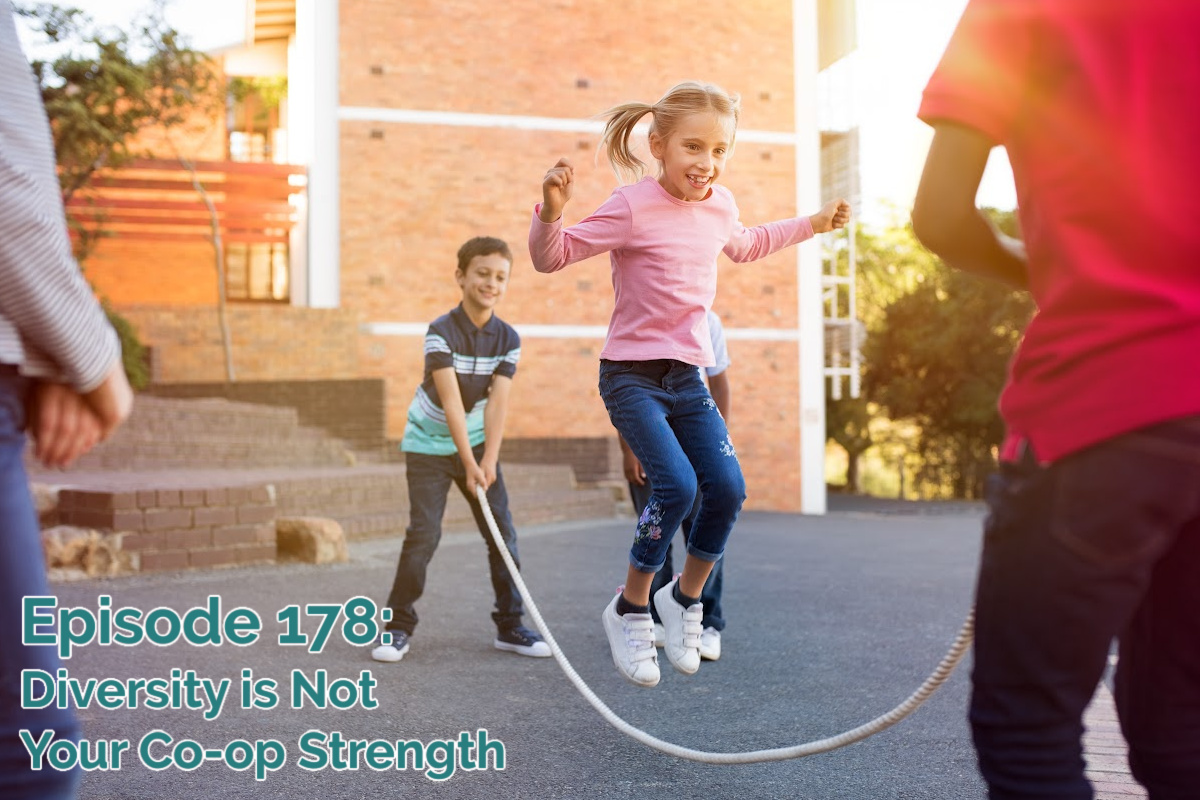
SS#178: Against Diversity in the Homeschool Co-op
We’re often told that diversity makes a group stronger—but is that always true? When families are educating their children together, differences in theology, educational philosophy, expectations, and work ethic aren’t merely interesting variations. They can become sources of friction that undermine the entire project.
In this episode, the Scholé Sisters ask what actually makes a co-op cohesive—and why like-mindedness may matter more than we want to admit.
We talk about choosing classmates as carefully as teachers, setting standards without becoming tyrants, extending grace without breeding resentment, and putting expectations in writing before trouble begins.
Whether you’re starting a co-op, leading one, or wondering why yours feels harder than it ought to, this conversation will help you think more clearly about whom you educate alongside—and what you are building together.
Creating Co-op Cohesion
Today’s Hosts and Source

Brandy Vencel
grew a CM community from scratch that survived her departure

Mystie Winckler
made her own mini co-op so she could teach exactly what and. how she wanted

Abby Wahl
worked with two different co-ops one year to give her kids what they needed
Scholé Every Day: What We’re Reading




Virtuous, Nancy Wilson
Mystie says that this title is a biblical, practical, and discussion-ready exploration of virtues such as patience, courage, gratitude, and domesticity that worked especially well for her church’s mixed-age women’s summer book study.
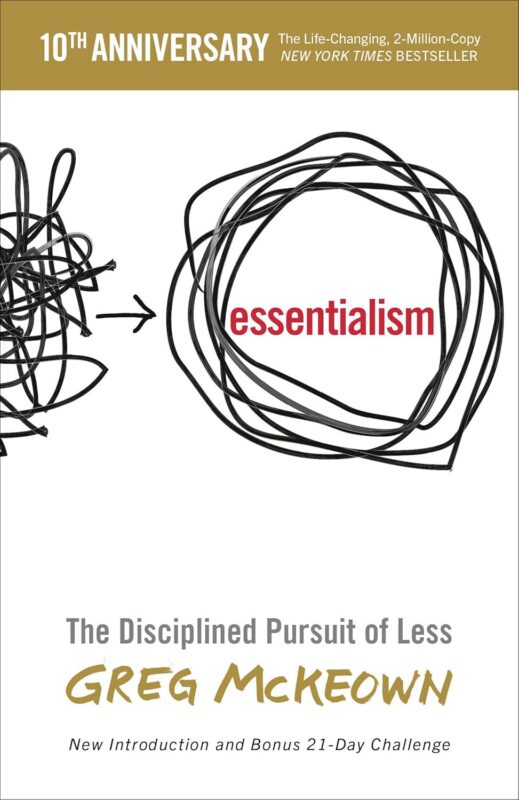
Essentialism, Greg McKeown
Abby said this book might be written for the business world, but its wisdom about boundaries, priorities, and letting other people solve their own problems applies surprisingly well to homeschooling, homemaking, and parenting teens.
Please Understand Me: Character and Temperament Types, David Keirsey and Marilyn Bates
Brandy said this book has been a fascinating—and very Jungian—introduction to Myers-Briggs that helped her recognize just how profoundly the sensing–intuition difference can shape family relationships.
A Non-Diverse Homeschool Co-op
Cohesion in a homeschool co-op does not mean that every family must look alike, use the same curriculum, or agree about every minor preference. It means the families share the convictions and standards that directly affect the work they are doing together: religious commitments, educational philosophy, expectations for student behavior, work ethic, punctuality, preparation, and parental participation.
Every family understands what the co-op is for, what it asks of them, and what kind of culture they are responsible for creating. Clear leadership, written expectations, regular communication, and time for the mothers to build genuine relationships all help turn those shared commitments into a functioning community.
That cohesion is valuable because education is a formative project, not merely a convenient exchange of teaching duties. Teachers and classmates both influence what children believe, love, and learn to expect from themselves.
When families are pulling in the same direction, good classmates elevate one another, teachers can build on the habits cultivated at home, and ordinary problems can be handled with trust and grace.
Instead of spending its energy negotiating fundamental disagreements or nursing low-level resentment, a cohesive co-op can devote that energy to providing children with a richer education than the families could create alone.
The place of tolerance
Tolerance in a co-op does not mean dropping your standards or pretending not to mind while resentment grows. It means finding out what is actually going on.
A family dealing with chronic illness, a mother with a new baby, or a student whose parents are divorcing needs grace, not a lecture about commitment.
We can make reasonable accommodations without requiring the entire co-op to slow down or abandon its purpose. The group should keep moving while the struggling family receives what it can during a difficult season.
At the same time, overlooking faults is not the same as avoiding uncomfortable conversations. If someone is repeatedly absent, unprepared, or disruptive, the leader needs to ask why.
Sometimes there is a hardship we did not know about; sometimes the person is simply no longer committed. Before we become frustrated, we should also ask whether we ever made the expectation clear.
People cannot meet standards that exist only in the leader’s head. Written policies and direct communication help us distinguish between a weakness to bear with, a hardship to accommodate, and a problem that must be addressed.
Christian tolerance is honest and charitable, not outwardly pleasant while inwardly keeping score.
Homeschool Co-ops Need Leaders
A healthy co-op requires someone willing to lead—and, yes, that means being willing to be a little bossy. Someone must have a vision, set the tone, choose teachers who understand that vision, make expectations clear from the beginning, and initiate uncomfortable conversations when problems arise.
Without leadership, everyone naturally brings her own assumptions about preparation, punctuality, participation, and responsibility, while still believing her expectations are simply common sense.
The result is unnecessary, low-level irritation that eventually becomes a larger problem. A good leader does not need to be inflexible, but she does need to communicate regularly, put expectations in writing, and make decisions so that everyone knows what the co-op is doing and can pull in the same direction.
Co-op Policies and Procedures
Processes and policies help a co-op function because they remove expectations from everyone’s heads and put them where everyone can see them.
A clear attendance and sick policy tells families when to come and when to stay home; procedures for absences establish who finds a substitute; assigned roles ensure that nursery care, classroom assistance, and cleanup actually happen; and written academic expectations clarify what students and parents must do before class.
Larger co-ops may also need a board and a defined process for handling cheating, disrespect, or other recurring problems. None of this is obnoxiously particular. It prevents needless uncertainty, keeps problems from becoming personal, and allows everyone to know what she is responsible for so the whole co-op can keep moving.
Co-ops Are Worth the Hassle
A homeschool co-op is worth the trouble because education is better when we undertake it alongside people who are traveling the same path toward the same end. Good teachers add knowledge, skill, and subjects we could not provide alone, while good classmates improve our children’s education through positive peer pressure, shared books, and the sense that they are on the same team.
Meanwhile, the mothers gain hours to talk, compare notes, solve problems, share what they are learning, and form a genuine community around the work of homeschooling.
Yes, building a cohesive co-op requires leadership, clear expectations, preparation, and occasional uncomfortable conversations—but when it works, families can create a richer educational experience together than they could manage separately.
Listen to related episodes:

SS#177: Build Real-Life Community (with Hayley Beck!!)

SS#171: The Vice of Envy

SS#155 – Improving Conversation

SS#143: If you build it, moms will come


Be a part of the conversation!
Discuss this podcast with other moms inside Sistership.